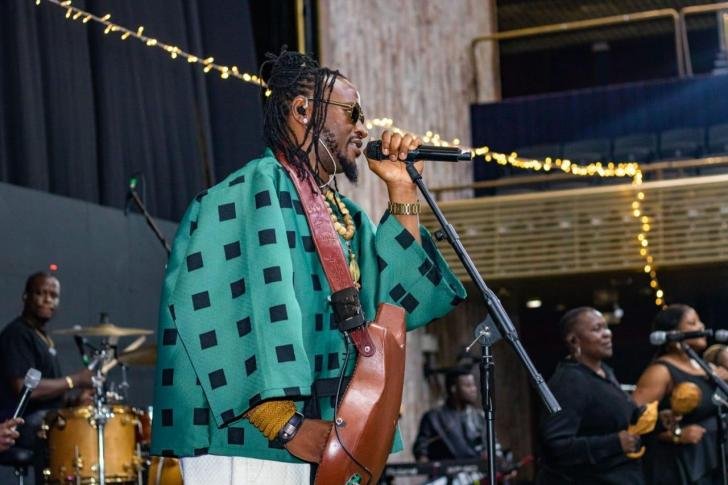
A storm is stirring in Zimbabwe’s music scene as the Kurai Makore Fan Club has publicly accused Zanu-PF-affiliated musician Jah Prayzah of allegedly copying the beat from Makore’s song Kanyarugwe, which was released in August 2024. The dispute erupted over the weekend after fans began circulating clips of the two tracks side by side on social media, pointing out what they described as “striking similarities” between the instrumentals.
According to the fan club, Jah Prayzah’s new single — released just last week — mirrors Kanyarugwe‘s beat structure and rhythm almost note for note, save for a few minor changes. “It’s almost a copy-paste job,” one fan wrote in a widely shared post. “Just a few tweaks here and there, but anyone who knows Kanyarugwe can hear it immediately.”
The controversy has reignited long-standing debates in Zimbabwe’s music industryabout originality, influence, and intellectual property protection. While musical inspiration often involves borrowing elements from predecessors or peers, critics argue that Jah Prayzah — a heavyweight in Zimbabwean music — should be setting an example, not allegedly lifting beats from emerging talents.
To date, neither Jah Prayzah nor his management has issued a statement in response to the accusations. The silence has only fueled speculation and outrage among fans and music analysts alike. Some have taken the artist’s quiet stance as a sign of guilt, while others have urged caution, calling for a proper musical analysis before passing judgment.
Kurai Makore himself has remained quiet on the matter. The rising artist, known for his traditional yet modern sound, has steadily built a loyal following over the past few years. Kanyarugwe, in particular, was widely praised for its fresh take on mbira-infused rhythms. Many of his fans see this alleged plagiarism as a case of a bigger artist overshadowing and appropriating the work of a less established one.
Jah Prayzah’s involvement shows this is bigger than a personal music dispute.
“It’s not just about Jah Prayzah vs. Kurai Makore,” said music critic Tendai Mavunga. “This is part of a bigger conversation about how the industry treats intellectual property and the lack of clear enforcement mechanisms to protect creatives — especially the up-and-coming ones.”
The debate has also taken a political turn due to Jah Prayzah’s perceived closeness with Zimbabwe’s ruling party, Zanu-PF. Some social media users have accused the state-linked artist of using his connections to avoid accountability, while others argue the controversy is being politicized unfairly.
“You can’t just shout plagiarism because someone is politically connected,” tweeted one user. “Let’s be objective. Show us the data, the music breakdown, the timestamp comparisons.
In the meantime, fans remain divided. Some have started hashtags like #JusticeForKurai and #OriginalityMatters, calling for accountability in the music industry. Others defend Jah Prayzah, arguing that similarities in beats are common in Afro-fusion and traditional music genres, where certain rhythmic patterns are often shared.
For now, the silence from both artists is only adding fuel to the fire. Whether this controversy fades with time or escalates into a legal or public showdown remains to be seen. But one thing is clear: the issue has sparked an important national conversation about creativity, power dynamics, and the need for stronger protections for artists in Zimbabwe’s evolving musical landscape.
-
Four Robbers Killed After High-Speed Chase and Shootout Near Norton Tollgate -
Heartbreak for Community After Missing Children Found Dead in Car -
Mutodi Sparks Storm with Guvamatanga Kickback Claims -
Magaya’s Top Aide Involved in Violent Brawl -
Mpilo Student Nurse Nabbed for Allegedly Using Fake ZIMSEC Certificate -
Chiwenga, Chivayo Rift Widens Over Broken Financial Promises -
ZACC Nabs NetOne CEO Mushanawani in US$1.2 Million Fraud Case -
Man Sparks Alarm After Leaving Loaded Gun at Lodge -
Madam Boss Avoids Cameras During Harare Court Appearance -
Zambezi River Crocodile Attack Leaves Veteran Guide Dead
