In a bold step towards strengthening Zimbabwe’s public healthcare delivery system, the government, in partnership with Discovery Ambulance Services, has launched a nationwide emergency medical response initiative under the Presidential Emergency Medical Scheme. The programme, which aims to deploy at least 200 ambulances to health facilities across all ten provinces, is set to drastically improve access to emergency healthcare—particularly in remote and underserved communities.
The scheme was officially launched during a community outreach event held in Epworth over the weekend. Health and Child Care Minister Dr. Douglas Mombeshora announced the rollout, describing it as a landmark initiative meant to reinforce the country’s deteriorating health infrastructure by enhancing emergency response capabilities.
“This is a very good complementary activity that you are witnessing today,” said Minister Mombeshora during the event. “We are expecting a huge fleet of ambulances to complement those that already exist within the Ministry of Health. So far, we are targeting to start with about 200 ambulances.”
Dr. Mombeshora highlighted that the project is not just about deploying ambulances but also about strengthening the entire emergency care ecosystem. He encouraged other private sector players to emulate Discovery Ambulance Services by supporting the national healthcare agenda.
“We urge more private players to come forward and partner with us in improving access to health services across the country,” he added.
Discovery Ambulance Services, a private emergency medical care provider, is spearheading the operational aspects of the programme. The company’s founder and CEO, David Munowenyu, stressed that the Presidential Emergency Medical Scheme is particularly focused on assisting vulnerable groups and ensuring equitable access to life-saving services.
“This programme is designed to fill the gaps in our healthcare system. We want to ensure that even if someone is sick and cannot afford a medical procedure, they are not left behind,” said Munowenyu. “Through this partnership with the Ministry of Health, we’re bringing in free ambulance services, training, medical check-ups, and health screenings to those who need them most.”
Munowenyu added that empowering communities through education is a core element of the scheme. The initiative includes free training sessions in basic first aid for individuals of all ages, aiming to equip citizens with the skills needed to respond effectively to emergencies within their own homes and neighbourhoods.
“The idea is that when someone in the family has a medical emergency, there should be someone close by who knows what to do. That’s what these trainings are about,” he said.
Government Rolls Out Free Medical Services with 200 Ambulances Under Presidential Emergency Medical Scheme
The outreach has already yielded tangible results. According to the Ministry of Health, over 10,000 people from various communities have been trained in basic first aid since the programme began. Participants include school children, parents, caregivers, and community leaders, all of whom are now better prepared to manage medical emergencies before professional help arrives.
ZANU PF Harare Province Chairperson Godwills Masimirembwa, who also attended the launch, praised the initiative for its inclusiveness and forward-thinking approach. He noted that training both adults and youths in emergency response is key to ensuring that healthcare becomes more accessible and community-centered.
“The Presidential Emergency Medical Scheme is a clear demonstration that everyone—regardless of their status—deserves access to quality medical services,” Masimirembwa said. “We now have community members, including children, being trained in how to deal with household-level medical emergencies. That’s how we build resilient communities.”
Masimirembwa also pointed out that the collaboration between government and the private sector under this programme is in line with Zimbabwe’s Vision 2030, which seeks to transform the country into an upper-middle-income economy. He emphasized that healthcare development is a vital pillar of national growth and economic resilience.
“This partnership is not only about health—it’s about national development. By saving lives and empowering communities, we are moving closer to our 2030 goals,” he added.
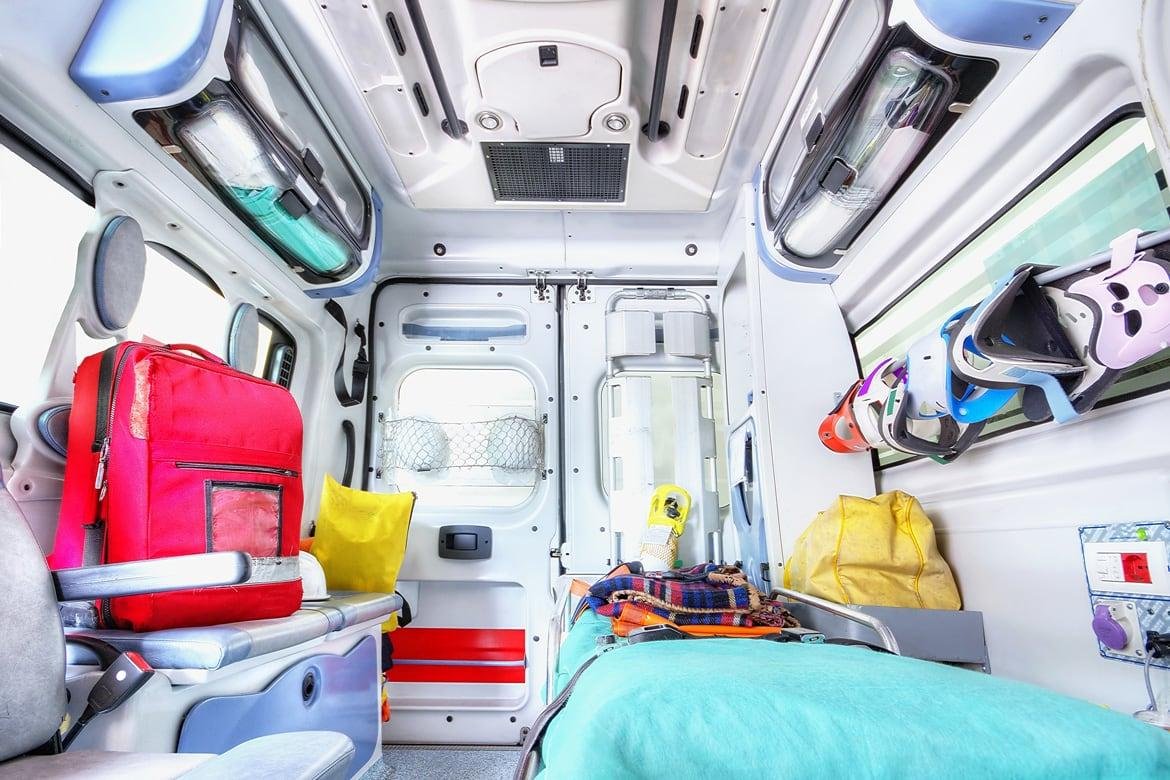
The rollout of the 200 ambulances is expected to continue in phases, with rural and peri-urban areas being prioritized. The vehicles are equipped with modern emergency medical equipment and will be staffed by trained personnel to ensure rapid and professional response during emergencies.
With its holistic approach that combines free services, equipment, and community training, the Presidential Emergency Medical Scheme is being hailed as a game changer in Zimbabwe’s ongoing efforts to revamp its public health system.