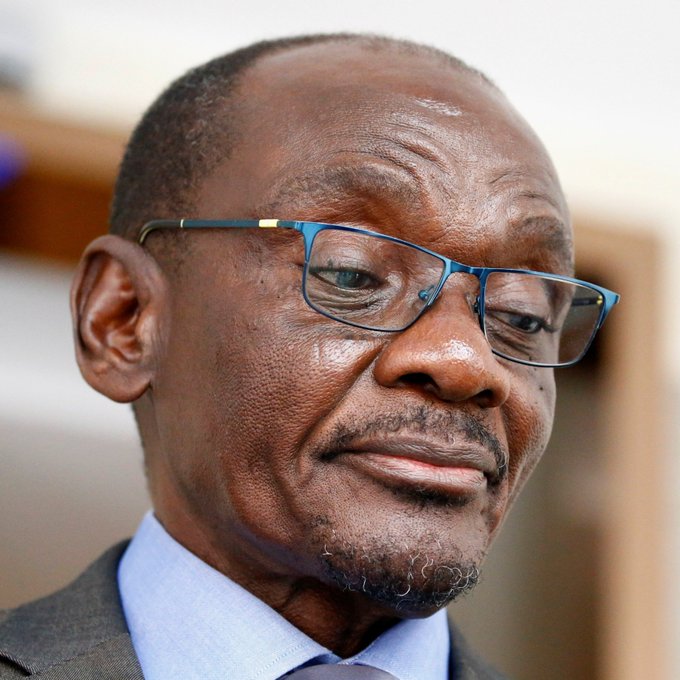
37 New Houses Set for Commissioning by VP Mohadi in Binga

BINGA- Vice-President Kembo Mohadi is set to commission 37 newly constructed houses this Thursday in Nsungwale Village, Binga District, Matabeleland North Province. The handover marks a major milestone in the Government’s ongoing efforts to resettle and support families displaced by the devastating floods that struck the area in February 2020.

The houses were built under the Binga Housing Recovery Project, an initiative launched by the Government in response to the natural disaster that left 181 families homeless. The floods were triggered by the confluence of four rivers—Sibwambwa, Sikanda, Namapande, and Manyenyengwa—which overflowed following heavy rains, submerging homes, destroying livelihoods, and displacing entire communities.

Of the affected families, 81 were identified as the most vulnerable and in need of urgent resettlement. The 37 homes being commissioned represent the first phase of that commitment, with additional construction expected in the future to accommodate the remaining households.

Confirming the development, Binga District Development Coordinator, Mr Lands Kabome, said all preparations for the commissioning ceremony had been finalised. “A total of 37 houses were constructed, and Vice-President Mohadi will officially commission them on Thursday, 31 July 2025,” Kabome said. “In addition to the houses, a 10.5-kilometre access road leading to the settlement has been rehabilitated and is currently being gravelled. Water reticulation infrastructure for the entire settlement has also been completed.”

Mohadi to Commission 37 New Homes for Flood Victims in Binga

The newly built homes represent a significant upgrade from the traditional pole-and-dagga huts in which many rural families in Binga previously lived. Constructed using durable modern materials, the houses are designed to provide long-term shelter and withstand future climate-related disasters, including heavy rains and floods. Each unit is fitted with basic amenities and has been tailored to suit the needs of resettled families, many of whom lost everything during the 2020 calamity.

Government officials say the project is more than just a housing solution—it is a symbol of national commitment to disaster resilience, climate adaptation, and rural development. The Nsungwale relocation is also a practical example of the Second Republic’s pledge to “leave no one and no place behind” as outlined under the National Development Strategy 1 (NDS1) and Vision 2030.

“The provision of safe, decent housing is a cornerstone of Government’s long-term rural transformation agenda,” said a senior official involved in the project. “Beyond shelter, these efforts are about restoring dignity, rebuilding lives, and preparing our communities for future environmental shocks.”

The Binga Housing Recovery Project is part of a broader push to strengthen social infrastructure and service delivery in marginalised regions. In addition to housing and roads, the programme has improved access to clean water, a critical component in both public health and community stability. Plans are also underway to construct schools and clinics in the area to ensure that relocated families can access basic services close to home.

Local leaders and residents have welcomed the initiative, calling it a lifeline for communities that had been living in temporary shelters for the past five years. “We never thought this day would come,” said one community elder. “After the floods, we lost hope. But today we see that Government has not forgotten us.”

Vice-President Mohadi’s visit to commission the homes is expected to draw other senior Government officials, traditional leaders, and community members. The event will also serve as a platform to showcase the Government’s broader commitment to climate resilience and disaster preparedness in flood-prone regions.

As extreme weather events become more frequent due to climate change, Zimbabwean authorities have acknowledged the need for sustainable, forward-looking solutions that protect at-risk communities. Projects like the one in Nsungwale Village are seen as critical demonstrations of how coordinated planning, resource allocation, and political will can combine to transform lives.

The commissioning of the 37 houses is not the end of the road. Officials say additional homes will be constructed to ensure that all 81 families identified for relocation are properly resettled. Discussions are also ongoing to replicate similar models in other vulnerable parts of the country, particularly where climate-induced displacement is on the rise.

As Zimbabwe continues its path toward inclusive development and environmental resilience, the people of Binga are finally beginning to rebuild their lives—this time on higher ground, in safer homes, and with renewed hope.

Source- Bulawayo24
Exit mobile version