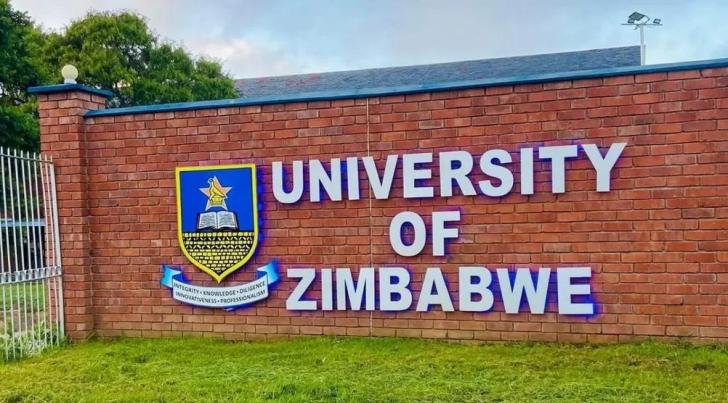
University of Zimbabwe is at the centre of renewed controversy as the Zimbabwe National Students Union (ZINASU) challenges the suspension of student activists. ZINASU accuses University of Zimbabwe, along with MSU and GZU, of orchestrating a coordinated crackdown on dissent, violating students’ rights, and stifling freedom of expression across campuses.
According to ZINASU, university administrations have resorted to authoritarian tactics in response to peaceful student actions in solidarity with striking lecturers. The suspended students, most notably six from University of Zimbabwe, are being accused of inciting unrest after staging small demonstrations on campus and encouraging others to join the academic staff’s industrial action, which has been ongoing since April 2025.
A letter dated July 7, 2025, from University of Zimbabwe Vice Chancellor Professor Paul Mapfumo confirmed the indefinite suspension of six students. The document outlines the students’ alleged conduct on May 12, when they were seen moving between the university’s halls of residence and dining halls, urging fellow students to hold placards and chant slogans critical of the university’s management.
Citing Section 8 (3)(e) of the University of Zimbabwe Act, which empowers the Vice Chancellor to suspend students whose behavior poses a threat to the institution’s order and discipline, Mapfumo stated that the six would remain suspended pending formal disciplinary proceedings. “The actions of the students disrupted campus peace and amounted to incitement of unlawful demonstrations,” the letter read.
Student Union in Renewed Clash Over Suspensions at University of Zimbabwe
ZINASU, however, has strongly pushed back against the move. In a statement issued by its president, Emmanuel Sitima, the student union labeled the suspensions as a “blatant abuse of administrative power” and an attempt to suppress lawful expressions of political and social concern within academic spaces. Sitima argued that the suspensions violate key provisions of Zimbabwe’s 2013 Constitution, particularly those guaranteeing freedom of expression, peaceful assembly, association, and the right to protest.
“This is a coordinated campaign by university administrations to silence voices of reason and dissent,” Sitima said. “The students were merely exercising their constitutional rights. Instead of engaging meaningfully with the concerns of both students and lecturers, these universities are choosing to punish and intimidate.”
ZINASU outlined three core demands in response to the suspensions. First, the union is calling for the immediate and unconditional reinstatement of all suspended or expelled students. Second, it is pushing for an independent investigation into the apparent misuse of internal disciplinary mechanisms as tools of political suppression. Lastly, the union is urging the Ministry of Higher and Tertiary Education to uphold student rights and ensure that universities abide by constitutional and international legal standards.
This escalating conflict comes against the backdrop of a long-running lecturers’ strike at the University of Zimbabwe. Academic staff are demanding improved salaries and better working conditions. The strike has severely disrupted academic programs, prompting university authorities to hire replacement lecturers. However, students have criticized the replacements, mockingly referring to them as “virgins in the academic setting” — a phrase suggesting that the new hires lack both the experience and credentials necessary to deliver quality education.
The government has so far offered limited intervention. Presidential spokesperson George Charamba previously acknowledged lecturers’ grievances and claimed that President Emmerson Mnangagwa had approved salary adjustments. However, there has been little indication of actual progress in resolving the dispute or addressing the deteriorating conditions in public universities.
For students, the situation is increasingly untenable. Many say they are caught between administrative repression and declining educational standards. “We are now victims of both academic neglect and political persecution,” said a University of Zimbabwe student who spoke on condition of anonymity. “All we want is for our lecturers to return to class and for our peers not to be punished for speaking up.”
Legal analysts and education watchdogs have expressed concern over the growing trend of student suspensions for political activity. “These universities are supposed to be centers of intellectual freedom and democratic engagement,” said one human rights lawyer. “What we’re seeing is a reversal of those ideals.”
As the impasse continues, ZINASU has vowed to intensify its advocacy, including potential legal action and peaceful demonstrations. The union insists that the current climate within Zimbabwe’s higher education system is unsustainable and warns that unless authorities address the root causes of unrest — including low wages and shrinking democratic space — the situation will only deteriorate further.
For now, the spotlight remains on University of Zimbabwe and its peers, as students, faculty, and civil society await a resolution to a crisis that shows no signs of easing.