
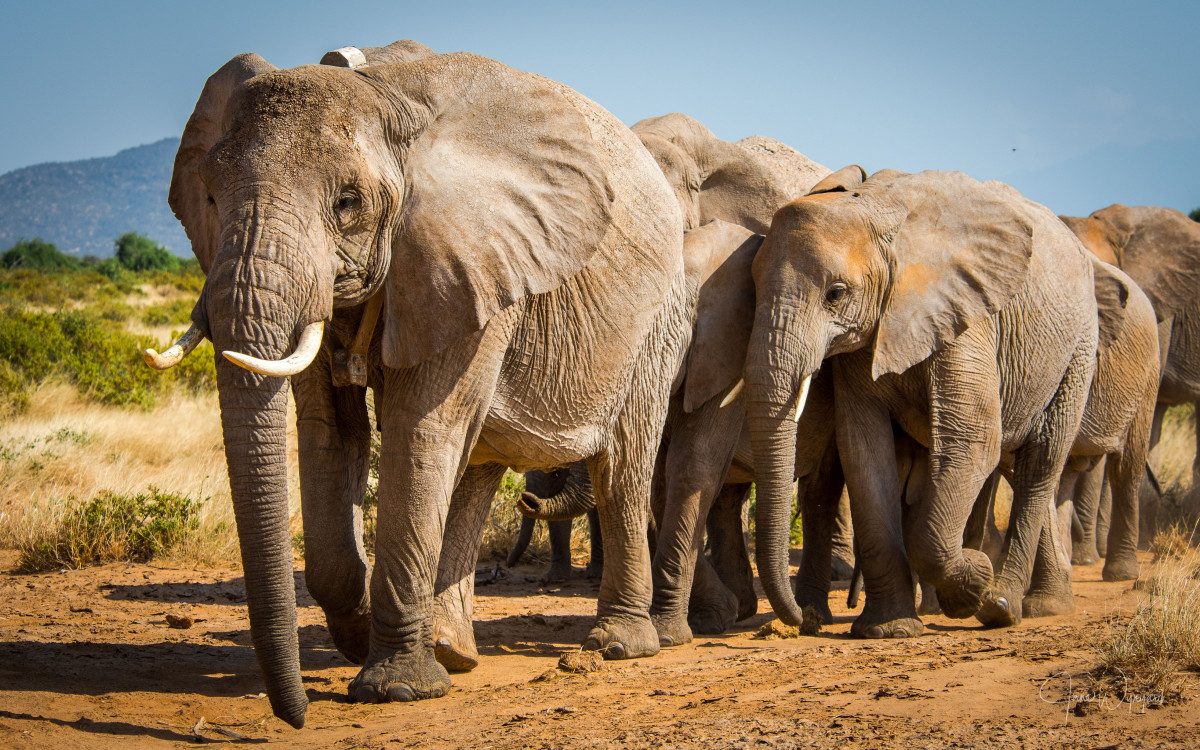
A tragic human-wildlife conflict claimed the life of a 34-year-old man in Bulilima District, Matabeleland South Province, on Sunday afternoon, highlighting the ongoing dangers posed by wildlife in rural Zimbabwe. The victim, identified as Sikhumbuzo Gumbo from village 17 in Dombulefu ward under Chief Hikwa, was reportedly trampled to death by elephants while returning from Botswana.
According to local authorities, the incident occurred near Gungwe Dam, approximately 2 kilometres from the Botswana-Zimbabwe border fence, around 3 pm. Officials said the elephants were likely visiting the dam to drink when the fatal encounter occurred.
Bulilima Rural District Council Chief Executive Officer, Mr. Billiat Mlauzi, confirmed the incident and explained the circumstances surrounding the tragedy. “We suspect that the elephants were coming to drink at the dam and the victim was unfortunate not to escape as did his colleagues,” Mr. Mlauzi said. “The group was riding two bicycles and carrying each other. When the elephants approached, the boys immediately dismounted and ran in different directions. Unfortunately, Sikhumbuzo was caught by a herd with calves, which started attacking him.”
The three colleagues who managed to escape reported the matter to village elders, prompting the authorities to respond. Recovery of the body proved challenging as the elephants reportedly lingered at the scene overnight. It was only on Monday morning that officials managed to retrieve the victim’s remains.
Mr. Mlauzi confirmed that the council would assist the family with burial arrangements under the Human-Wildlife Conflict Assistance Policy of 2017. “According to our policy, the council will provide a coffin and a financial contribution of US$250 to the family,” he said, emphasising the local authority’s commitment to supporting families affected by such tragic encounters.
The scene of the incident was attended by game rangers from Bulilima Rural District Council, officers from Zimbabwe Parks and Wildlife Management Authority (Zim-Parks), and representatives from the council’s safari operator, Mvimi Safaris. Their coordinated efforts ensured the safe retrieval of the body while assessing the circumstances of the encounter.
Bulilima Man Trampled to Death by Elephants Near Botswana Border
Zimbabwe Parks and Wildlife Management Authority spokesperson, Mr. Tinashe Farawo, confirmed that investigations into the incident are ongoing. “At the moment, we have managed to retrieve the body of the deceased and investigations are in progress. We are deeply saddened by another loss of life,” he said.
Human-wildlife conflicts have become an increasingly pressing issue across Zimbabwe, particularly in rural areas bordering wildlife habitats and international frontiers. Incidents involving elephants, in particular, have drawn attention due to the species’ size, strength, and potential for causing severe injury or death when humans inadvertently come into contact with them.
Experts note that elephants are highly protective of their young, and encounters involving calves can escalate quickly when animals feel threatened. In many rural communities, residents must navigate shared spaces with wildlife while conducting daily activities such as farming, fetching water, or travelling between villages. Such interactions, while sometimes unavoidable, carry significant risk.
Local authorities have urged communities to exercise caution when moving near known wildlife corridors or water sources, particularly during times when elephants are likely to visit for drinking or grazing. They also emphasise the importance of adhering to safety guidelines and reporting sightings promptly to minimise risk.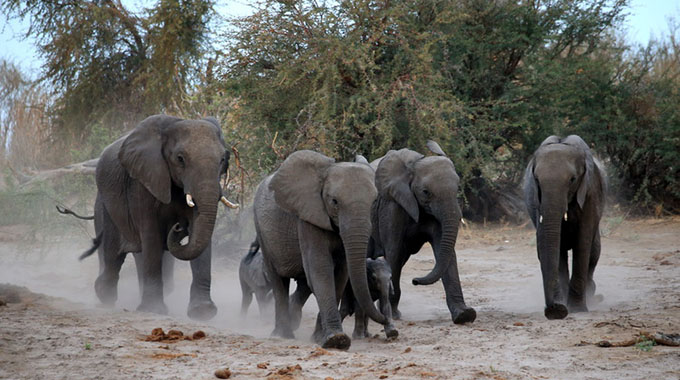

The tragic death of Sikhumbuzo Gumbo is a stark reminder of the human cost of living alongside wildlife and the urgent need for ongoing public awareness and effective conflict mitigation strategies. Programs such as Bulilima RDC’s Human-Wildlife Conflict Assistance Policy aim not only to provide support to families affected by such incidents but also to promote coexistence between humans and wildlife through education and community engagement.
As investigations continue, authorities are working to understand the circumstances that led to the fatal encounter and explore measures to prevent similar tragedies in the future. Meanwhile, the Bulilima community mourns the loss of one of its members, reflecting on the risks faced by residents in wildlife-rich regions of Matabeleland South.
The incident underscores the delicate balance required in rural areas where human settlements and wildlife habitats intersect. By implementing safety protocols, raising awareness, and providing support to affected families, local authorities hope to reduce the frequency and severity of human-wildlife conflicts, while preserving the biodiversity that is vital to Zimbabwe’s natural heritage.
Source- Heraldonline
-

-

-

-

-

-
-

-

-

-

