
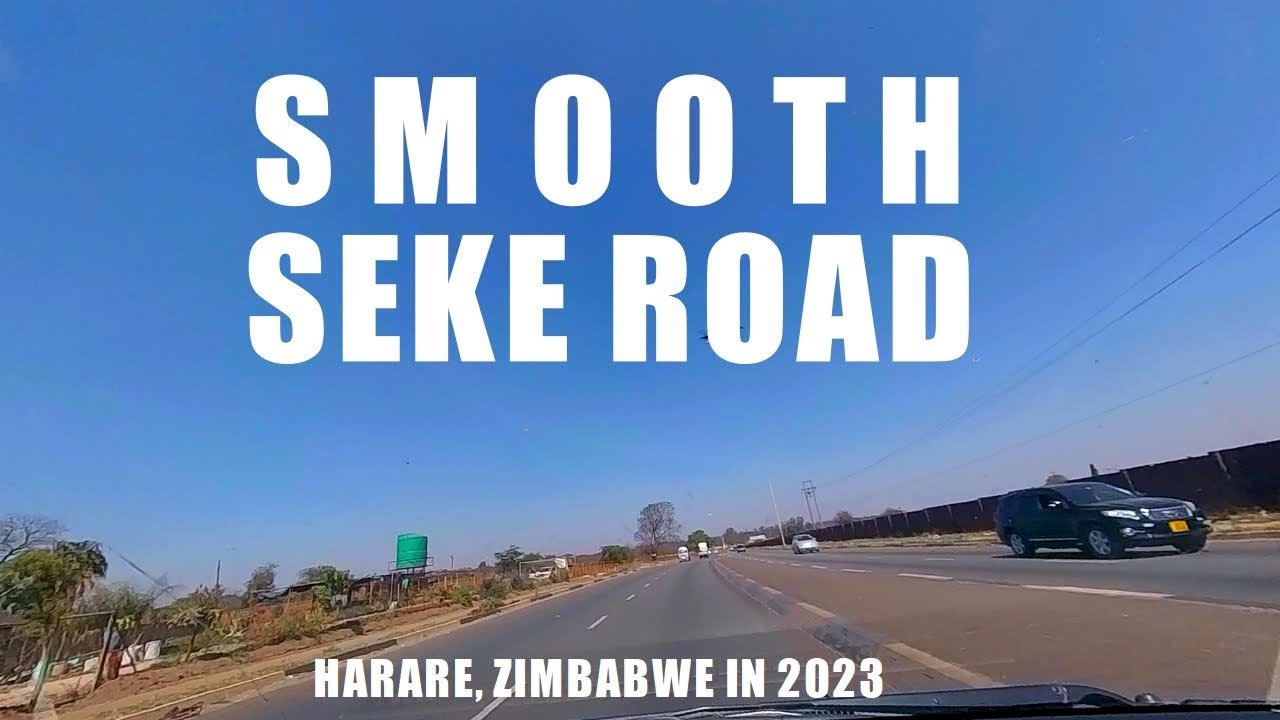
SEKE ROAD- The Government has announced plans to widen Seke Road and construct dedicated bus lanes in a bid to improve passenger safety and reduce traffic congestion along the busy highway connecting Harare and Chitungwiza. The decision follows a series of fatal road accidents that have once again raised public alarm over the state of urban transport infrastructure and road safety enforcement in Zimbabwe.
In the past two weeks alone, the Seke Road corridor has witnessed two serious traffic accidents. Seventeen people were killed at Hunyani Bridge when a commuter omnibus collided with a 30-tonne haulage truck, sending shockwaves across the country. Just days later, more than 20 passengers were injured when a kombi travelling from Ziko to Harare’s central business district burst a front tyre and veered off the road near Chinhamo Service Station. Of those injured, seven were admitted to Chitungwiza Central Hospital with serious injuries.
In response to the growing crisis, Minister of Transport and Infrastructural Development Felix Mhona confirmed that the government is moving swiftly to implement a comprehensive upgrade of the highway. He said the project will include the construction of dedicated bus lanes to separate public transport vehicles from other traffic, thereby reducing the likelihood of high-speed collisions and easing congestion.
“What we are doing is introducing a dedicated bus lane,” Mhona said in an interview. “We are going to be widening the road again, having more lanes that will become an expressway right up to Makoni Section and extending to Ten Miles.”
Seke Road, a key commuter artery, is one of Zimbabwe’s most heavily used transport corridors. Stretching from Harare through Chitungwiza—a densely populated dormitory town—the route carries tens of thousands of passengers daily. Over the years, the road has become notorious for accidents, due to a combination of narrow lanes, reckless driving, worn-out surfaces, and insufficient policing.
Government to Widen Seke Road, Build Dedicated Bus Lanes After Deadly Crashes
Minister Mhona said the government is treating the matter with urgency and has tasked his technical team with fast-tracking the implementation of the road expansion project. The new design will prioritise safety, accessibility, and efficiency, especially for public transport users who currently rely on kombis and buses for daily commuting.
“The goal is to protect lives and enhance the travelling experience,” he said. “This is not just about infrastructure—it’s about saving lives and making sure the public transport system becomes safer and more reliable.”
In addition to widening the road and introducing bus-only lanes, the project will include resurfacing worn sections of the highway, installing road signs, upgrading traffic lights, and enhancing drainage systems to ensure safety during the rainy season.
The announcement has been welcomed by many residents in both Harare and Chitungwiza, who have long endured traffic chaos, delays, and rising accident rates along the route. Commuters say that the introduction of dedicated lanes could help restore some order and predictability to their daily journeys.
“I take this road every day, and it’s terrifying sometimes,” said Rudo Chikosha, a vendor who commutes from Unit N in Chitungwiza to Harare city centre. “You see drivers racing each other, overtaking in narrow spaces. If they separate buses from private cars, maybe it will help.”
However, transport analysts have cautioned that infrastructure improvements must go hand in hand with better enforcement of traffic regulations, stricter licensing of public transport operators, and increased investment in road safety education.
Govt to widen Seke Road, introduce dedicated bus lanes
“The problem is not only the road itself, but how it’s used,” said Tapiwa Nzenza, a Harare-based urban transport researcher. “You can widen the road, but if reckless driving and overloading continue unchecked, accidents will still happen. There needs to be a holistic approach.”
Civil society groups have echoed similar sentiments, calling for more comprehensive road safety policies, including the introduction of speed-monitoring cameras, mandatory vehicle inspections for kombis, and improved training for public transport drivers.
Meanwhile, the Ministry of Transport is working with the Harare City Council, Chitungwiza Municipality, and other relevant agencies to finalise the project’s implementation timeline and funding mechanisms. While no exact date has been announced, Minister Mhona said preliminary work is expected to begin soon.
The Seke Road project is part of a broader national push to rehabilitate Zimbabwe’s aging road network under the Emergency Road Rehabilitation Programme (ERRP). Similar upgrades are underway on other major highways, including the Harare–Masvingo and Harare–Bulawayo routes.
As the nation reels from the recent tragedies on Seke Road, authorities hope that this new infrastructure initiative will not only enhance safety and mobility but also serve as a model for future transport solutions across Zimbabwe.
Source- Bulawayo24
-

-

-

-

-

-

-

-

-

-

