
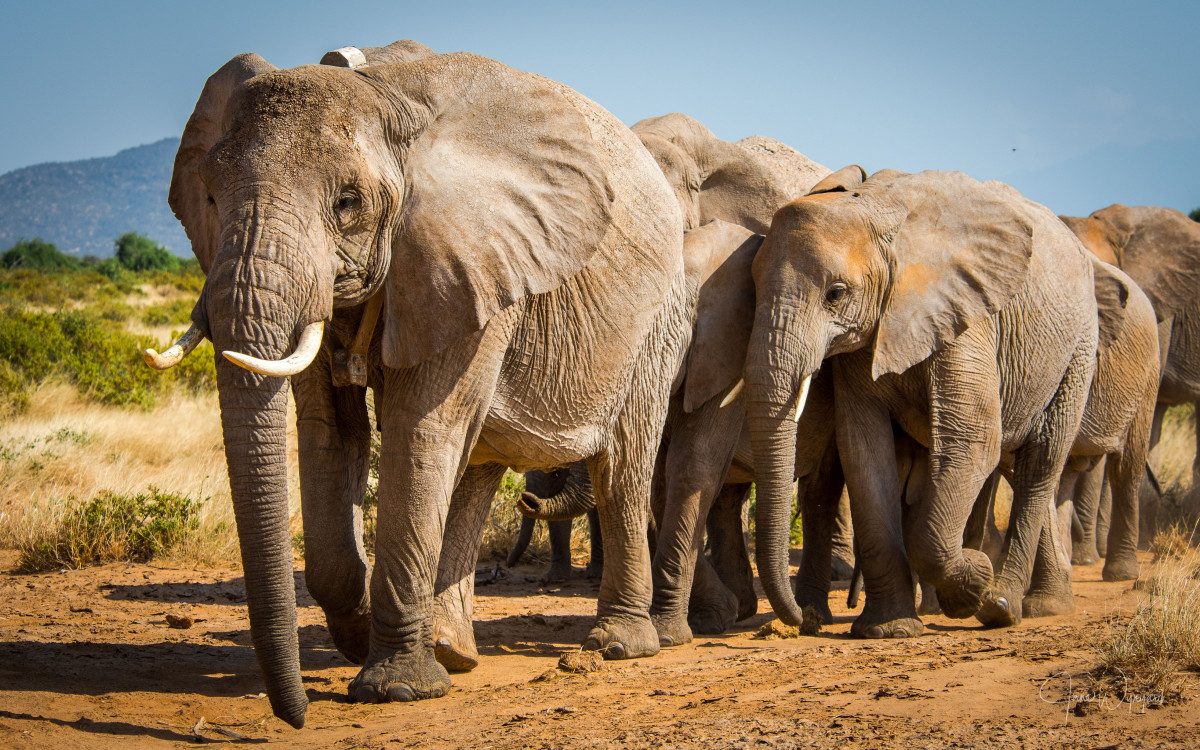
Tragedy struck the Hwange community on Thursday morning when John Munzabwa, a resident of Lusumbani Village (Number Five), was fatally trampled by a rampaging elephant bull as he made his way to work at a local mining company. The fatal encounter has sent shockwaves through the community, reigniting fears about the increasing human–wildlife conflict in areas adjacent to Zimbabwe’s national parks.
Zimbabwe Parks and Wildlife Management Authority (ZimParks) spokesperson, Mr. Tinashe Farawo, confirmed the heartbreaking incident and revealed that game rangers had been deployed to investigate and assess the situation. “We have received an unfortunate report of a person killed by an elephant in Hwange. Our rangers are currently on the ground carrying out further investigations and will work to manage the situation to prevent any future tragedies,” he stated.
The Matabeleland North provincial police spokesperson, Inspector Glory Banda, said the police were yet to receive an official report on the incident. Authorities have pledged to coordinate closely with wildlife officials to uncover all details surrounding the tragedy and provide support to the bereaved family.
News of Munzabwa’s death spread rapidly among local residents, many of whom expressed their sorrow and condolences on social media platforms. In a heartfelt message circulated on a local WhatsApp group, community members mourned the loss of a well-known figure in Lusumbani Village.
The message read: “Sad news to share… We’ve lost John Munzabwa. He was tragically attacked by an elephant. It’s a shocking loss, and we’re all in shock. Our thoughts and prayers go out to his family and loved ones during this difficult time. To his brother Pezhuba and family, may you find comfort in the Lord. Rest in peace, John.”
The fatal incident marks another tragic chapter in the ongoing struggle between humans and wildlife in the Hwange region. Just two years ago, in 2023, the community suffered a similar loss when Lydia Dube, a 30-year-old female security guard, was trampled to death by an elephant while guarding a broken-down crane at the nearby Chaba Opencast Mine. Despite receiving urgent medical attention, she succumbed to her injuries after being transferred from Hwange Colliery Hospital to Mpilo Central Hospital in Bulawayo.
These incidents underscore the complex challenges facing communities living in close proximity to Hwange National Park, Zimbabwe’s largest wildlife reserve. While the park is a vital sanctuary for the country’s diverse animal population, including large herds of elephants, it also poses ongoing risks for residents and workers in bordering areas.
Hwange Man Trampled to Death by Rampaging Elephant in Tragic Incident
Human–wildlife conflict is an escalating concern as expanding human settlements, agricultural activities, and mining operations encroach on traditional animal habitats. Elephants, in particular, are known to venture outside protected areas in search of food and water, sometimes leading to confrontations with people. This increases the likelihood of fatal encounters, as elephants are powerful and unpredictable when threatened or stressed.
Local leaders and conservationists have been calling for intensified efforts to mitigate these conflicts through innovative strategies such as wildlife corridors, improved fencing, community awareness programs, and rapid response teams to manage dangerous animals near human settlements.
“Our communities deserve to live and work without fear of deadly wildlife encounters,” said a local environmental activist. “There must be a balance between protecting our natural heritage and ensuring the safety of our people.”
ZimParks and other wildlife authorities have also urged residents to exercise caution and report any sightings of potentially dangerous animals near homes, farms, and workplaces. Education campaigns are ongoing to raise awareness about how to avoid provoking elephants and other large mammals.
Meanwhile, the family of Hwange man is mourning the sudden loss of a loved one whose life was cut short in tragic circumstances. Local support networks have rallied around them, offering condolences and assistance during this difficult time.
The latest tragedy serves as a somber reminder of the need for comprehensive, community-inclusive approaches to managing human–wildlife coexistence in Zimbabwe. As the country continues to promote wildlife conservation and eco-tourism, the safety and wellbeing of rural populations living alongside wildlife must remain a priority.
For now, Hwange residents and authorities alike are left grappling with grief and the harsh reality that nature’s giants, while majestic, can also pose deadly dangers in close human contact.
Source- zimeye
-

-

-

-

-

-

-

-

-

-

