
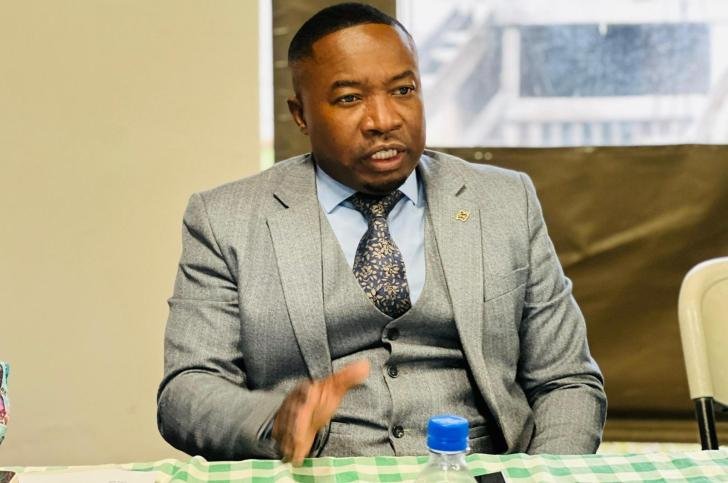
Harare Mayor Jacob Mafume has called on the City Council to prioritise the appointment of a substantive Human Capital Director, arguing that the role is critical to restoring administrative efficiency and strengthening executive leadership within the municipality.
Addressing councillors during a full council meeting at Town House last Thursday, Mafume emphasised that the vacancy in the Human Capital Directorate has had far-reaching consequences on council operations. He urged that the post be filled as a matter of urgency before any other senior appointments are made.
“What we need to do is to say the first thing that you should fill — or the first substantive post — is Human Capital Director,” Mafume told the meeting. “They should first show that they are capable of employing their boss before any other post.”
The mayor argued that effective human capital management forms the backbone of an efficient council, ensuring that recruitment, promotions, and staff development are handled professionally and transparently. Without strong leadership in the department, Mafume warned, the council risks perpetuating operational weaknesses that undermine service delivery.
Mafume linked several past administrative shortcomings to the absence of a substantive head for the Human Capital Directorate. He cited examples where official records lacked essential details such as minutes of meetings and the signatures of committee chairpersons — a sign, he argued, of a system in need of strong oversight and better record-keeping standards.
According to the mayor, appointing a permanent Human Capital Director would not only improve procedural compliance but also enhance accountability in council’s internal processes. “We cannot run a city effectively when such a key post remains in acting hands indefinitely,” he said.
The call comes at a time when Harare City Council is under pressure from residents, civic organisations, and central government to reform its administration and deliver better services. Long-standing complaints over poor waste management, intermittent water supplies, and deteriorating infrastructure have placed the council’s efficiency under intense scrutiny.
During the same council meeting, Ward 16 Councillor Denford Ngadziore raised a separate but related concern — what he described as excessive spending on council workshops and official trips. Ngadziore claimed that some events attract more than 20 attendees, many of whom make no meaningful contribution to proceedings.
“My concern is that we are spending excessively on trips and workshops that are not even directly related to council business,” Ngadziore said. “Some attendees end up sitting idly without making any contribution. Therefore, HR should not simply approve every report as it is.”
Ngadziore urged the council to tighten its approval processes for workshop participation, ensuring that only those who add real value to discussions are included. He said unnecessary attendance inflates costs and diverts funds from critical service delivery priorities.
Mafume backed Ngadziore’s remarks, noting that fiscal discipline should be a central pillar of council’s reform efforts. He urged both the Finance and Human Resources committees to adopt a more stringent review of all expenditure, particularly travel and training budgets.
Mafume Urges Appointment of Human Capital Director to Boost Harare City Council Efficiency
“It’s a valid point that we need to focus on the bottom line regarding this matter,” the mayor said. “Let us continue with that cost-cutting approach, in line with the issues raised at the start of the meeting on sewer.”
His comments align with growing public calls for the City Council to demonstrate greater responsibility in its use of ratepayers’ money. Civic groups have in recent months criticised what they see as lavish spending on
The discussion at Thursday’s meeting reflects broader concerns about the need for structural reforms within Harare City Council. Analysts note that while infrastructure and service delivery challenges are visible to all residents, the underlying administrative inefficiencies often receive less public attention but are equally damaging to the city’s performance.
The Human Capital Directorate plays a pivotal role in ensuring the council is staffed with competent, well-managed personnel. This includes overseeing recruitment, performance evaluations, disciplinary procedures, and professional development. Without a substantive director, these processes can be delayed or inconsistently applied, leading to gaps in service delivery.
By prioritising the filling of the Human Capital Director post, Mafume hopes to address not just immediate staffing concerns but also to set a precedent for merit-based leadership appointments within the city’s administration.
At the same time, the push for tighter control over expenditure on workshops and travel is seen as a necessary step to free up resources for pressing urban management needs. Observers say that if implemented effectively, these measures could help the council regain public trust and demonstrate a tangible commitment to financial prudence.
As the capital city grapples with persistent governance challenges, the combined calls for stronger executive leadership and disciplined spending may signal the start of a renewed effort to modernise council operations. Whether these proposals translate into concrete changes will depend on the willingness of councillors and senior officials to act decisively.
For now, Mayor Mafume’s message is clear: the first step towards a more efficient Harare City Council is to put the right people in the right positions — starting with the Human Capital Director — and to ensure that every dollar spent serves the interests of the residents who fund the city’s budget.
Source- Bulawayo24
-

-

-

-

-

-

-

-

-

-

