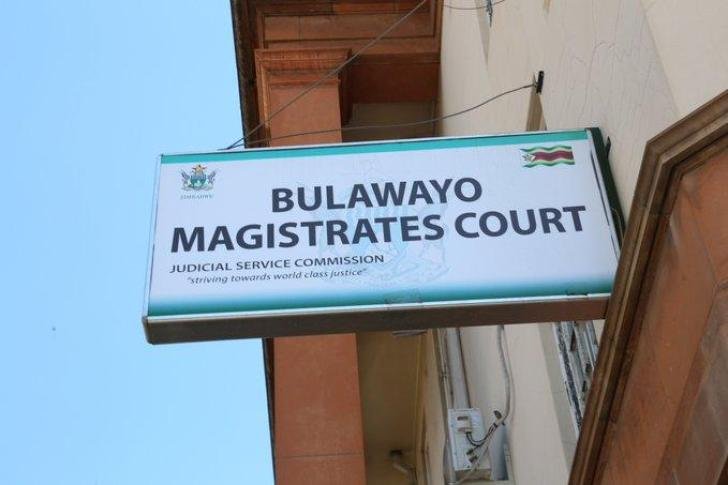
Mechanic in Court for Selling Client’s Car Wheels to Pay Rent

A Bulawayo mechanic, Mukanwa Mathe (33) of Thorngrove, found himself in serious legal trouble after he sold a client’s set of car wheels valued at US$680 and disappeared with the money, leaving the owner out of pocket and frustrated.

Mathe appeared before Tredgold Magistrates’ Court where Magistrate Maxwell Ncube fined him US$300. The court ordered that if he fails to pay the fine, Mathe will face three months imprisonment. In addition, he was ordered to reimburse the full value of the wheels to the client.

Court proceedings revealed that in June this year, Mathe was entrusted with four complete wheels, size 195/14 pro, brought in by Gibson Sithole for repairs. Rather than completing the agreed work, Mathe allegedly sold the wheels without the owner’s consent and then disappeared.

Prosecutor Mehluli Ndlovu informed the court that Mathe had used the money from the sale to cover personal expenses such as rent and utility bills.

“Mathe claimed he intended to repay the complainant once he had the money, but things did not go according to plan,” said Ndlovu.

The complainant, Sithole, was left devastated by the loss, as none of the wheels have been recovered to date. The incident has left him without the wheels and forced him to find costly replacements elsewhere.

During the hearing, it emerged that Mathe’s decision to sell the wheels was deliberate and motivated by financial hardship rather than any accidental mismanagement or theft. This has raised questions about the vulnerability of clients when handing over valuable property to mechanics and repair shops.

The magistrate emphasized that Mathe had breached the trust placed in him by the client and that his actions were unacceptable.

Bulawayo Mechanic In Court For Selling Client’s Wheels, Disappears with $680

“Clients entrust mechanics with their property in good faith, expecting professionalism and honesty. This behaviour undermines the reputation of the trade and is punishable by law,” Magistrate Ncube said.

The court’s decision to impose a fine and order full reimbursement reflects a balance between punishment and restitution. However, Mathe’s fate will largely depend on his ability to pay the fine and reimburse the client as ordered.

This case highlights a broader concern among vehicle owners in Bulawayo and beyond, who rely heavily on informal mechanics without formal contracts or guarantees. Many people who entrust their cars or parts to repair shops do so based on reputation or word of mouth, leaving them exposed to potential exploitation or loss.

Local consumer protection advocates have called for increased regulation of the automotive repair sector to safeguard clients’ interests and prevent similar cases from recurring. They recommend that vehicle owners always seek written agreements that clearly outline the terms of service, liabilities, and expected timelines.

For his part, Mathe attempted to plead his case by explaining his difficult financial situation at the time of the incident, but the court found this was no excuse to breach the trust of his client.

The prosecution stressed that financial hardship cannot be used as justification for unlawfully selling someone else’s property, especially without their knowledge or permission.

Mathe’s case serves as a warning to others in the service industry that exploiting clients’ trust will be met with the full force of the law. It also acts as a cautionary tale for vehicle owners to exercise due diligence when entrusting their valuable property to repair service providers.

Police officers involved in the case have urged the public to remain vigilant and report any suspicious or fraudulent behaviour by service providers. They also encourage clients to document transactions and maintain clear communication channels with mechanics to avoid misunderstandings.

The wheels in question have not been recovered, and the complainant remains out of pocket pending reimbursement from Mathe.

With this case now closed, the focus turns to efforts by authorities to better protect consumers and regulate the automotive repair industry to prevent similar breaches of trust in the future.

The incident underscores the importance of integrity and professionalism in service provision and the need for both service providers and clients to foster mutual respect and clear agreements.

Mathe’s legal troubles may serve as a wake-up call to others in the trade, reminding them that unethical conduct carries serious consequences, not just financially but also legally.

As for Sithole, he hopes that justice has been served and that the court’s order will at least bring some compensation for his loss, while highlighting the risks faced by many car owners in similar situations.

The case remains a reminder of the challenges faced by Zimbabwean consumers and the ongoing need for consumer rights advocacy and protection.

Exit mobile version