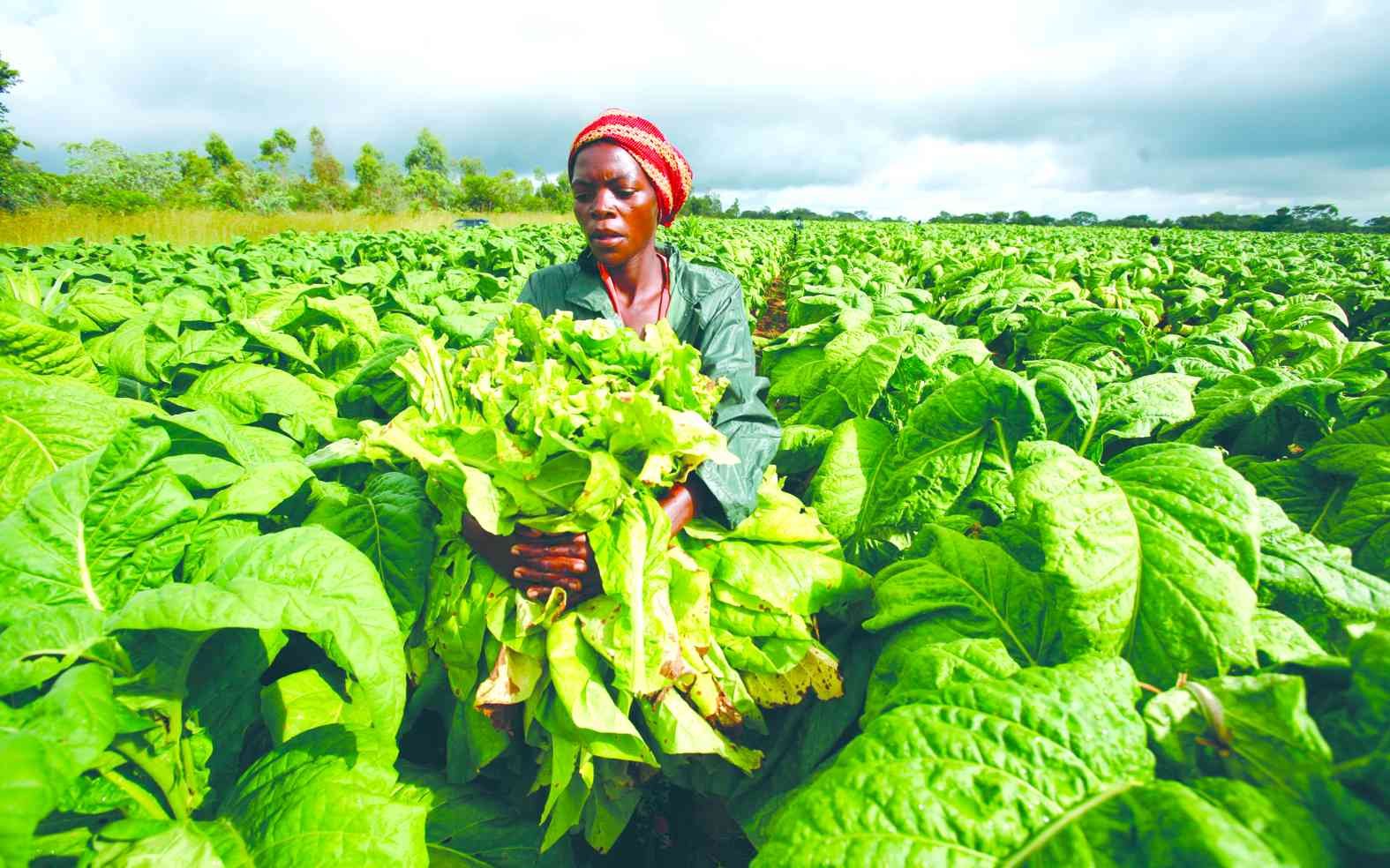
Zimbabwe’s small-scale tobacco farmers and indigenous stakeholders have renewed calls for the government to craft and implement an Indigenous Tobacco Policy that promotes fair participation and addresses long-standing imbalances in the sector. The appeal was made during a recent tobacco industry conference held in Harare, where key players gathered to review the current state of the industry and chart a new path forward.
Speaking at the event, Zimbabwe Progressive Tobacco Growers Association (ZPTGA) president Mtandwa Mutasa stressed the urgent need for structural reforms that empower indigenous players, especially in key areas such as marketing, finance, and value addition. The association represents small-scale tobacco growers and emerging local companies that are actively contributing to Zimbabwe’s multibillion-dollar tobacco value chain
“We are deeply concerned that critical strategic roles within the tobacco industry — particularly in finance, marketing, and processing — remain dominated by foreign players,” said Mutasa. “This limits the transfer of technical expertise and knowledge to local professionals. We, therefore, call for deliberate inclusion of indigenous Zimbabweans in such roles to build local capacity and ensure long-term sustainability.”
Mutasa welcomed the government’s ongoing review of the national tobacco policy, calling it a crucial opportunity to correct historical injustices and usher in a more inclusive and equitable framework for the industry.
“We appreciate that the government is revisiting outdated legislation, some of which dates back to the colonial era and has continued to disadvantage indigenous farmers and companies. We are hopeful that the revised policy will address these imbalances and pave the way for indigenous stakeholders to thrive,” he said.
He also urged the government to enact specific policies aimed at safeguarding the interests of indigenous participants in the tobacco industry. Among the proposed measures are production funding guarantees for small-scale farmers, buy-back assurances, and a fair share of representation on key industry bodies such as the Tobacco Industry and Marketing Board (TIMB).
“Smallholder farmers are the backbone of Zimbabwe’s tobacco sector, accounting for over 80% of the national output,” Mutasa noted. “It is only fair that these farmers, along with indigenous companies, are granted equitable representation on the TIMB board and other decision-making platforms.”
Tobacco Farmers Urge Government to Implement Indigenous Policy to Boost Sector and Empower Locals
He added that access to dedicated production financing was critical for indigenous farmers and small businesses to effectively compete with well-resourced foreign contractors who currently dominate the sector through contract farming schemes.
In response, TIMB Chief Executive Officer Emmanuel Matsvaire acknowledged the contributions of indigenous farmers and reiterated the board’s commitment to transforming the industry into a more inclusive and value-driven sector.
“Zimbabwe is now the fifth-largest tobacco producer globally, a feat achieved through the hard work of over 140,000 registered growers and the resilience of all players across the value chain,” said Matsvaire. “Tobacco is a key pillar of our economy, contributing more than US$1 billion annually and playing a vital role in improving rural livelihoods.”
However, Matsvaire cautioned that while the country’s production volumes are impressive, there is still significant room for improvement in value addition and downstream processing. He revealed that the sector had recorded a marginal increase in value addition — from 8.8% in 2023 to 10.15% in 2024 — but said this was still below potential.
“We must shift our focus from merely producing the golden leaf to extracting full economic value from it,” he said. “Our nine manufacturing facilities have a combined capacity to produce up to 17 billion sticks of processed tobacco per year, yet we are currently operating at under 25% capacity.”
He highlighted untapped opportunities in tobacco waste management and residue recycling, noting that Zimbabwe is the only African country with a functional nicotine extraction plant. This positions the country to become a regional hub for organic fertiliser production and sustainable waste disposal.
“Let us leverage this advantage,” Matsvaire urged. “We must collaborate, innovate, and invest in transforming Zimbabwe’s tobacco sector into a beacon of inclusive growth and sustainable development.”
The call for an Indigenous Tobacco Policy comes at a time when Zimbabwe is seeking to restructure its agricultural sector to ensure it benefits a broader base of citizens. With over 80% of tobacco now produced by smallholder farmers, many believe that the time has come to put indigenous interests at the centre of the national tobacco strategy.
As policy consultations continue, farmers and local stakeholders are watching closely, hoping that their voices will not only be heard but acted upon. Their message is clear: Zimbabwe’s golden leaf must create golden opportunities for all — not just a privileged few.
-
One Killed in Tragic Bus Accident -
Police Arrest Eighth Suspect in Joseph Mutangadura Murder Case -
General Tongogara Honoured 46 Years After His Death -
Greatman Parts Ways With Manager Rastar After Three Years -
One Killed as Illegal Miners Fight Over Sex Worker -
Fresh Wave of Killings Reported in Guruve -
Chamisa Seeks Talks with Political Stakeholders -
Gospel Musician Everton Mlalazi Appointed to OK Zimbabwe Board -
Oscar Pambuka Receives a Toyota Fortuner from Wicknell Chivayo -
Presley Chweneyagae Property Frozen Over Charity Funds
