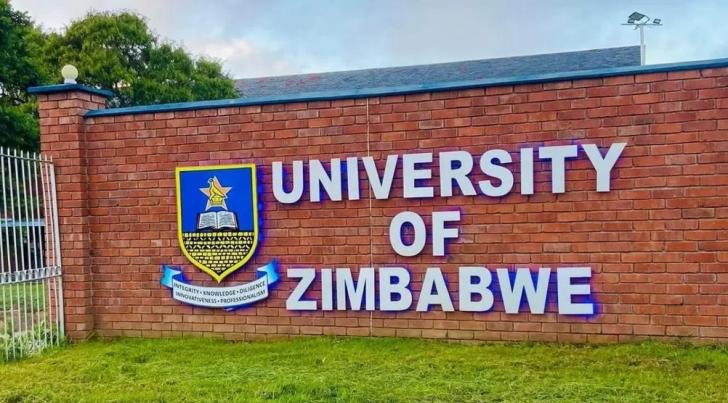
The Association of University Teachers (AUT) has called for a comprehensive forensic investigation into the teaching, research, and examination processes at the University of Zimbabwe (UZ) , amid growing concerns over alleged academic irregularities and a breakdown in institutional standards.
In a strongly worded statement, the AUT said recent controversies surrounding exam results, particularly the 2025 first semester grades, have exposed deep-rooted systemic flaws that threaten the university’s academic credibility. The association is demanding that an independent audit be conducted to assess whether proper procedures are being followed in the delivery of lectures, assessment of students, and the publication of examination results.
“The integrity of Zimbabwe’s premier university is at stake,” the AUT said. “We are seeing troubling patterns—missing marks, unexplained failures, and erratic grading—which suggest more than just administrative errors. A forensic probe is not only warranted, it is urgent.”
The call for an investigation comes in the wake of a public outcry from students who allege that the recently released results are riddled with inconsistencies. Many claim they were awarded failing grades despite strong coursework and continuous assessment performance throughout the semester. Some have also complained of delays in the remark process and lack of transparency in how final grades were compiled.
University Lecturers Demand Forensic Probe Into UZ Teaching and Exam Systems
Lecturers have also expressed frustration over what they describe as “increasing administrative interference” in academic processes, particularly during the exam marking and moderation stages. According to the AUT, there are growing fears that academic autonomy is being undermined by bureaucratic inefficiencies and questionable management decisions.
“We are not just concerned about students’ grievances—we are equally alarmed by the broader erosion of academic standards,” the association said. “Research is being sidelined, lectures are being crammed into unreasonable timelines, and faculty are being stretched beyond capacity. The situation is unsustainable.”
AUT is also urging the Ministry of Higher and Tertiary Education to step in and establish an independent panel composed of education experts, university stakeholders, and representatives from civil society to conduct a thorough review of UZ’s internal operations. They argue that a purely internal investigation would lack objectivity and public confidence.
Students, meanwhile, have welcomed the AUT’s stance, saying it reflects the seriousness of the situation. “We’re glad the lecturers are speaking out. It proves that what we’ve been saying all along isn’t just panic or sour grapes—there’s a real problem,” said one fourth-year Social Studies student.
The growing controversy surrounding exam results at the University of Zimbabwe (UZ) has triggered a broader national conversation about the overall state of higher education in the country. Analysts and education stakeholders argue that systemic issues—including chronic underfunding, political interference, and poor administrative transparency—have eroded the credibility of Zimbabwe’s top universities, with UZ at the centre of the storm.
The Association of University Teachers (AUT) has strongly urged authorities to take decisive action, warning that the quality and global recognition of UZ degrees are now under threat. “Our graduates must not suffer reputational damage because of poor internal systems. It’s time for full accountability,” the AUT said in a statement calling for a forensic audit of the university’s teaching, research, and examination systems.
Despite mounting pressure, UZ officials have remained largely silent, offering only procedural guidance to students seeking to appeal or query their results. No official response has been made to the AUT’s demand.
Meanwhile, the public and education stakeholders are urging the Ministry of Higher and Tertiary Education to intervene. Many believe that only a transparent, independent investigation will restore confidence in UZ and prevent further erosion of academic standards in Zimbabwe’s higher education sector. Trust in the system, they say, hangs in the balance.
-
ZESA Claims 41 Days Without Load Shedding, but Zimbabweans Say Power Cuts Persist -
One Killed in Tragic Bus Accident -
Police Arrest Eighth Suspect in Joseph Mutangadura Murder Case -
General Tongogara Honoured 46 Years After His Death -
Greatman Parts Ways With Manager Rastar After Three Years -
One Killed as Illegal Miners Fight Over Sex Worker -
Fresh Wave of Killings Reported in Guruve -
Chamisa Seeks Talks with Political Stakeholders -
Gospel Musician Everton Mlalazi Appointed to OK Zimbabwe Board -
Oscar Pambuka Receives a Toyota Fortuner from Wicknell Chivayo
