
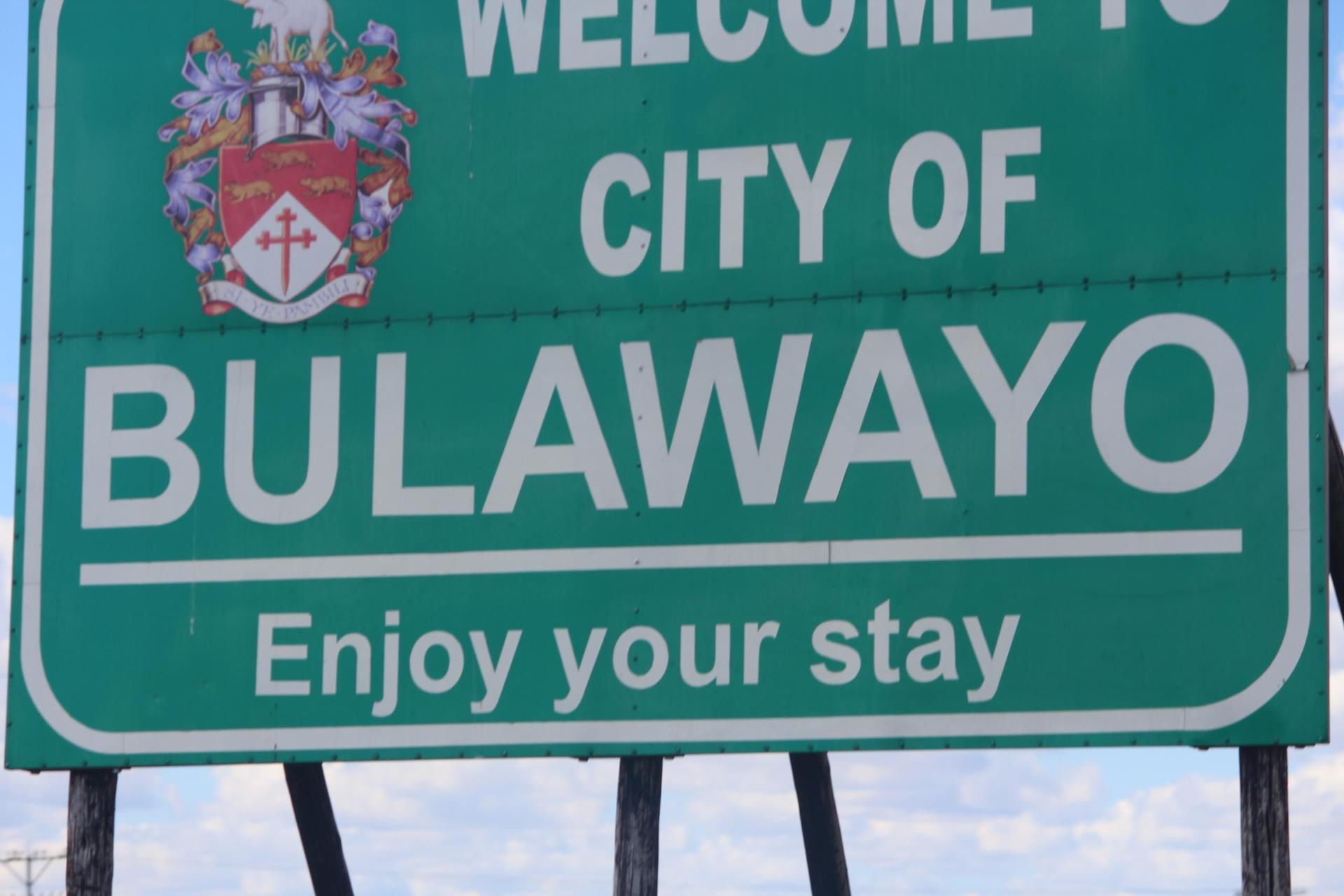
Bulawayo -A 38-year-old woman from Emganwini suburb in Bulawayo has been remanded in custody after she allegedly poured boiling water on her sister’s domestic worker in an unprovoked attack that left the maid with serious burns. The shocking incident has sparked outrage in the community, with calls for justice and stronger protections for domestic workers, who are often vulnerable to abuse.
The accused, Privilege Moyo, appeared before Western Commonage magistrate Mr Archie Wochiwunga on charges of physical abuse. She was not asked to plead and was remanded in custody pending further investigations.
According to the State’s case, presented by prosecutor Mrs Audrey Kufandikanwe, the attack took place on 28 August 2025. On the day in question, the complainant, Bethia Moyo (no relation to the accused), was carrying out her household chores as usual when the accused suddenly turned on her.
The court heard that Privilege was in the kitchen at the time when, without warning, she grabbed a pot of boiling water and deliberately poured its scalding contents onto Bethia. The hot liquid splashed across the maid’s face and chest, causing severe burns. The victim reportedly screamed in agony as neighbours and family members rushed to her aid before she was taken to hospital for urgent medical treatment.
Prosecutors told the court that the attack appeared entirely unprovoked. No dispute or quarrel had occurred between the accused and the maid in the moments leading up to the incident. “The accused, who is the sister of the complainant’s employer, picked the pot of boiling water and threw it at the complainant without any cause,” Mrs Kufandikanwe told the court.
Bulawayo Woman Remanded After Scalding Sister’s Maid with Boiling Water
Medical reports presented to the magistrate confirmed the extent of the victim’s injuries. Bethia sustained serious burns to her face, chest, and upper body, injuries that will require prolonged medical treatment and may leave permanent scars. Doctors indicated that her recovery would take months and she would require both physical and psychological support following the ordeal.
As the case was heard, relatives of the victim packed the courtroom, visibly shaken by the gruesome details of the attack. Some expressed disbelief that such violence could occur within a household setting where trust and responsibility should prevail.
The magistrate, in remanding Privilege in custody, emphasised the seriousness of the allegations and the need for the justice system to protect vulnerable members of society. “The complainant was in a subordinate position and the assault was carried out in a cruel and degrading manner,” Mr Wochiwunga said.
The case has ignited debate in Bulawayo and beyond about the treatment of domestic workers, who often face difficult working conditions and, in some instances, outright abuse at the hands of their employers or employers’ relatives. Civil society organisations advocating for workers’ rights condemned the incident, calling it “a shocking example of the violence and dehumanisation domestic employees sometimes endure.”
Women’s rights groups have also weighed in, pointing out that many cases of abuse go unreported due to fear of losing employment or intimidation by employers. “This case must serve as a turning point. Domestic workers are human beings who deserve dignity and protection under the law,” said a representative from the Zimbabwe Domestic Workers’ Union.
Legal experts note that if convicted, Bulawayo woman could face a lengthy custodial sentence, given the deliberate and violent nature of the assault. Zimbabwean law provides for heavy penalties in cases of aggravated assault, especially when the victim sustains serious bodily harm.
Meanwhile, the victim’s family has appealed for assistance to cover her medical expenses. Friends and neighbours have begun mobilising support, with community members in Emganwini describing Bethia as “a hardworking and humble young woman who did not deserve such cruelty.”
The incident has also reignited calls for the strengthening of the Labour Act to include specific protections for domestic workers, many of whom remain outside the formal safety nets enjoyed by other categories of employees. Activists argue that stronger enforcement mechanisms, coupled with public awareness campaigns, are urgently needed to reduce the risk of similar abuses.
As the case proceeds, attention will remain firmly fixed on the courts, with the public eager to see justice delivered for Bethia. For now, Bulawayo woman remains behind bars, awaiting her next court appearance.
The shocking attack has not only scarred one woman physically and emotionally but has also left an indelible mark on a community grappling with the reality of violence within the home. For many, it is a chilling reminder that the fight for dignity, respect, and justice for domestic workers is far from over.
Source- iHarare
-

-

-

-

-

-

-

-

-

-

