
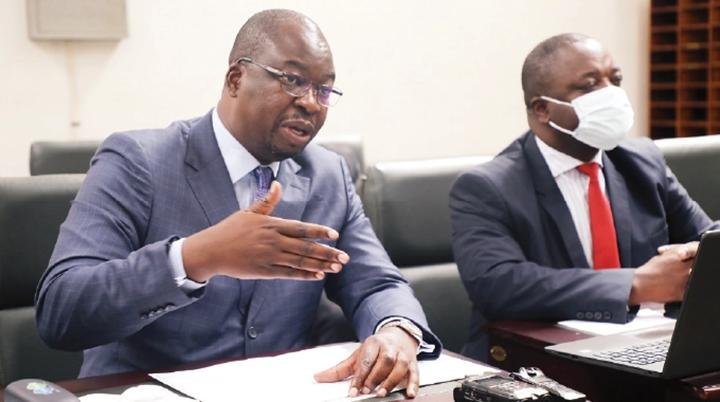
Zimbabwe’s government has announced plans to freeze recruitment across most state departments beginning in 2026, a move officials say is aimed at containing the ballooning public wage bill that has long strained the national budget.
The Ministry of Finance and Economic Development confirmed the measure this week, saying it will affect all state institutions except those deemed critical to the country’s wellbeing. In a circular signed by Finance Secretary George Guvamatanga, the ministry said the freeze will apply to most ministries, parastatals, and agencies, but essential sectors such as health, security, and education will be exempt.
“This measure is intended to manage the growth of the public sector wage bill while ensuring that essential services continue to operate without disruption,” the ministry explained. Officials stressed that the plan does not amount to a total shutdown of government recruitment, but rather a targeted freeze meant to redirect limited resources toward priority areas.
This is not the first time Zimbabwe has attempted to rein in its public payroll through restrictions on hiring. In the 2025 national budget, Treasury proposed measures to control recruitment, but those were never fully enforced. Analysts say the persistence of the issue highlights the depth of fiscal pressures confronting the state.
Zimbabwe to Freeze Civil Service Hiring in 2026 to Curb Wage Bill
For years, salaries and allowances for civil servants have absorbed the largest share of government expenditure. Estimates suggest that in some years, more than half of the national budget has gone toward the wage bill, leaving little fiscal space for development projects, infrastructure upgrades, or social safety nets.
With the economy still struggling with high inflation, exchange rate volatility, and sluggish growth, the government appears determined to act decisively in 2026.
Zimbabwe’s economic challenges have been well documented. Inflationary pressures continue to erode household incomes, while the instability of the local currency has undermined business confidence. Growth projections remain modest, constrained by limited investment inflows, a difficult external debt situation, and recurrent droughts that affect agricultural output.
Against this backdrop, Treasury officials argue that the public wage bill has become unsustainable. “If left unchecked, the growth of the wage bill will crowd out capital expenditure and limit our ability to implement critical reforms,” said one senior official, speaking on condition of anonymity.
The announcement is likely to provoke strong reactions from labour unions, which have consistently clashed with government over pay and working conditions in recent years. Unions representing teachers, nurses, and other public employees say civil service wages are already inadequate, often failing to keep pace with the cost of living.
“We are not against rational use of resources, but a recruitment freeze will worsen shortages in already under-staffed departments,” said Raymond Majongwe, a veteran union leader. “It is unfair to burden existing employees while ignoring the reality of poor salaries and working conditions.”
Critics argue that the freeze could cripple service delivery in non-exempt sectors, many of which are already under-resourced. Departments such as agriculture, social welfare, and local government are expected to feel the brunt of the policy, as vacancies will go unfilled and workloads increase for remaining staff.
For the government, the decision underscores a delicate balancing act. On one hand, it must demonstrate fiscal discipline to restore confidence among investors, creditors, and international partners. On the other, it faces the political risk of alienating its workforce and the millions of citizens who depend on public services.
Economists say the exemptions for health, education, and security reflect recognition of this dilemma. These sectors are considered indispensable for maintaining social stability, safeguarding national security, and supporting human development. Still, they warn that the effectiveness of the freeze will depend on its implementation in Zimbabwe.
“Historically, such measures in Zimbabwe have been announced but not consistently enforced,” said independent economist Prosper Chitambara. “The government will need strong monitoring and accountability mechanisms if the policy is to have the intended impact on expenditure.”
As 2026 approaches, attention will turn to how the freeze is rolled out and whether it achieves its stated goals. Some observers predict that the policy could be revisited depending on economic performance, donor support, and political pressures.
For now, Treasury is adamant that containing the wage bill is non-negotiable. In its circular, the ministry emphasized that fiscal space must be created to fund capital projects, social protection, and debt repayment obligations.
“Fiscal sustainability is critical for economic recovery,” the statement read. “The recruitment freeze is part of a broader reform agenda aimed at ensuring long-term stability.”
Whether the measure succeeds or falters will depend on the government’s ability to balance fiscal restraint with the pressing demands of service delivery. For Zimbabwe citizens navigating daily hardships, the true impact will be felt not in budget statements, but in the quality of schools, hospitals, and public institutions that continue to serve as lifelines across the country.
source – Byo24
-

-

-

-

-

-

-

-

-

-

