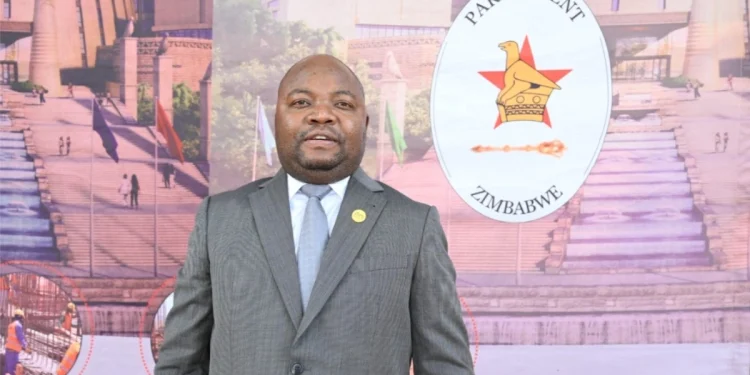
Monetised Social Media Fuelling Digital Violence, Deputy Minister Warns

The Government has expressed serious concern over a sharp rise in cyberbullying, online harassment and the spread of harmful digital content in Zimbabwe, warning that profit-driven social media platforms are increasingly fuelling the problem.

Deputy Minister of Information Communication Technology, Postal and Courier Services, Dingumuzi Phuti, raised the alarm while addressing the Senate, saying the rapid growth of monetised digital platforms is encouraging the circulation of provocative, abusive and unethical content. He warned that some social media features which reward users financially based on views, likes and engagement are incentivising harmful behaviour online.

According to The Chronicle, Phuti singled out platforms such as TikTok, where offensive language and inappropriate material are becoming more visible. He expressed particular concern about content that exposes children to harm, noting that young people are among the most active users of social media and are therefore most at risk.

“The pursuit of online popularity and income is increasingly overriding ethical considerations,” Phuti told Senators. “In many cases, content creators are prioritising views and financial gain over respect for human dignity, social values and the protection of vulnerable groups, especially children.”

The Deputy Minister said the growing trend has contributed to the normalisation of cyberbullying, digital harassment and what he described as “digital violence”, where individuals are attacked, humiliated or abused online for entertainment or profit. He warned that such behaviour has serious social consequences, including psychological harm to victims and the erosion of societal values.

Phuti noted that Zimbabwe had taken early steps to confront digital safety challenges by enacting the Data Protection Act in 2021. The legislation, he said, positioned Zimbabwe among a small group of African countries that have established a legal framework to protect personal data, privacy and digital rights in an increasingly online society.

Deputy Minister Cautions Against Rise in Digital Violence Driven by Monetised Social Media

“The Data Protection Act was a proactive move by Government to respond to emerging digital threats,” Phuti said. “It provides a legal basis for addressing privacy violations, misuse of personal information and certain forms of online misconduct.”

He added that the ongoing training and deployment of Data Protection Officers across institutions has further strengthened the country’s capacity to deal with breaches of privacy and unethical digital practices. These officers play a key role in ensuring compliance with the law, investigating complaints and promoting responsible data handling.

However, Phuti acknowledged that legislation alone is not enough to effectively curb online abuse. He said limited public awareness continues to undermine protection efforts, as many citizens are not familiar with their rights or the procedures for reporting cyberbullying and online harassment.

“Most people do not know how or where to report online abuse,” he said. “As a result, victims often suffer in silence, while perpetrators continue to operate with impunity.”

The Deputy Minister emphasised that the lack of digital literacy is a major challenge, leaving many users vulnerable to manipulation, exploitation and abuse. He said young people, who spend significant time on social media platforms, are particularly exposed to harmful content and negative online behaviour.

To address these gaps, Phuti told the Senate that the Ministry is in the process of finalising a Child Online Protection Bill. The proposed legislation is expected to strengthen safeguards for minors, improve enforcement mechanisms and tighten regulation of harmful digital content.

“The Child Online Protection Bill will provide stronger legal tools to protect children in the digital space,” Phuti said. “It will enhance coordination between Government, service providers and other stakeholders to ensure that children are not exposed to harmful or exploitative online material.”

He stressed that beyond laws and regulations, public education must be prioritised to build a culture of responsible digital citizenship. Phuti said communities, schools, parents and civil society organisations all have a role to play in teaching ethical online behaviour and promoting respect in digital spaces.

“Stronger oversight and sustained public education are essential if we are to prevent the normalisation of abusive language and digital violence in Zimbabwe,” he said. “We must ensure that technology serves as a tool for development and social connection, not a platform for harm.”

The Government’s warning comes at a time when social media usage continues to grow rapidly across the country, increasing both opportunities and risks. As authorities push for tighter regulation and greater awareness, the focus is now on balancing innovation and freedom of expression with the protection of citizens, particularly children, from the darker side of the digital world.

Source- iHarare

Exit mobile version