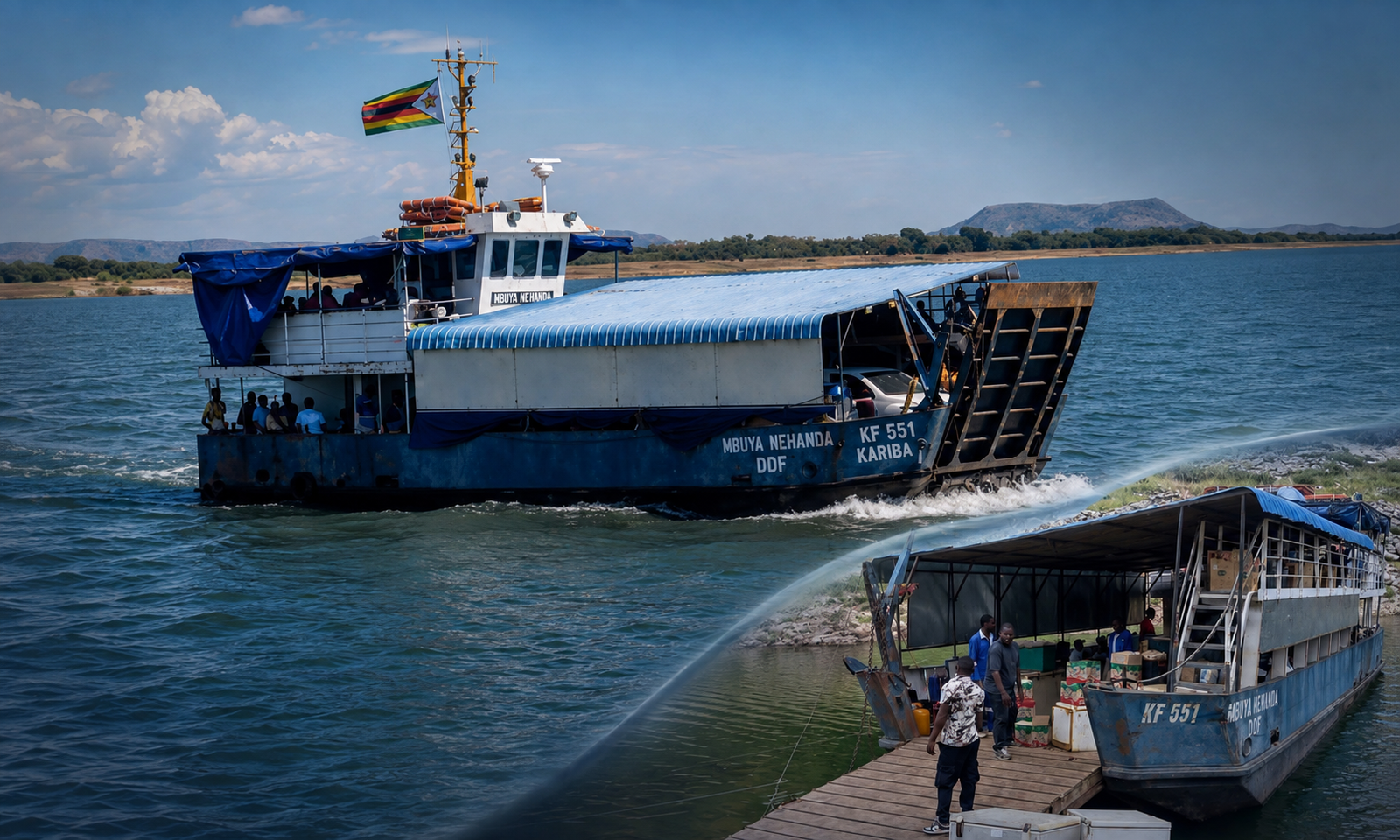
Zimbabwean police have recovered 13 bodies from Lake Kariba following the deadly capsizing of a Rural Infrastructure Development Agency ferry on Tuesday, 11 August 2026.
In an official update released on Wednesday, 12 August, the Zimbabwe Republic Police said rescuers had pulled 67 survivors from the water. Authorities took them to the Mahombe-kombe Primary School Command Centre for medical attention and further assistance.
However, the search has not ended. Rescue teams remain on the lake looking for passengers who are still missing, while police try to establish exactly how many people boarded the ferry.
The accident happened while the RIDA vessel was travelling from Kariba to Chalala. Local reports identified the ferry as the Mbuya Nehanda, a government-operated vessel previously managed under the District Development Fund.
Police investigate how many passengers were aboard
The biggest unanswered question surrounding the Lake Kariba ferry disaster is the number of people who were on the vessel.
According to the latest police statement, information initially given to the Lake Captain indicated that 120 people were travelling on the ferry. The preliminary figure included 108 adults and 12 children.
Nevertheless, police investigations suggest the boat may have been carrying even more passengers.
ZRP said the vessel’s confirmed carrying capacity was 90 passengers, excluding its five crew members. Therefore, the preliminary figure of 120 passengers already exceeds the approved passenger limit by 30 people.
Police have not yet confirmed the final number aboard. Officers are checking information while contacting relatives and continuing the search operation.
This uncertainty makes it difficult to calculate how many people remain missing. As a result, authorities have asked the public and media to avoid circulating unverified figures while emergency teams complete their work.
Conflicting rescue figures emerge
Earlier reports from the Mashonaland West Provincial Civil Protection Unit listed 15 bodies recovered and 77 survivors rescued. Those figures appeared in several local and international publications on Wednesday morning.
However, the ZRP statement dated 12 August records 13 recovered bodies and 67 rescued victims.
The two sets of figures have not yet been officially reconciled. Since the search remains active and authorities are still confirming the passenger manifest, the death and rescue totals may change again.
Police spokesperson Commissioner Paul Nyathi previously urged members of the public to allow authorities to complete scene management and verify information before releasing final figures.
For now, the police statement provides the main confirmed update: 13 bodies recovered, 67 people rescued and an unknown number still missing.
Strong wave reportedly struck the ferry
RIDA director-general Christopher Shumba told local media that the ferry encountered a fierce wave before capsizing.
Some witnesses and local reports described the rough conditions as a “Binga Wave,” a term used for strong waves that can develop on the vast lake. Nevertheless, investigators have not announced a final cause of the accident.
The vessel reportedly capsized near Long Island during the afternoon journey to Chalala Fishing Camp.
Emergency responders moved quickly after the alarm was raised. The operation reportedly involved the Police Sub-Aqua Unit, Civil Protection Unit teams, the army, Matusadona rescue teams, local boat operators and aerial support.
Meanwhile, families gathered near the lake as they waited for information about their relatives. Authorities also began the difficult process of identifying the recovered bodies and notifying families.
Questions grow over safety and overcrowding
The tragedy has raised urgent questions about passenger control, ferry maintenance and the enforcement of carrying limits on Lake Kariba.
Many people living around remote fishing camps rely on ferries to reach Kariba for supplies, medical services and other essential needs. Consequently, safe and reliable lake transport remains critical for these communities.
If police confirm that more than 120 people boarded a vessel designed for 90 passengers, investigators will face growing pressure to establish how the boat left with so many people.
They will also need to determine whether every passenger had access to appropriate safety equipment and whether the ferry was fit to operate in the conditions experienced that afternoon.
However, authorities have not yet released findings on the boat’s mechanical condition, the availability of life jackets or the decisions made before departure. Those questions remain part of the wider investigation.
Search teams are continuing their operation as relatives wait for answers. ZRP said it would release more details after contacting families and verifying the number of people who boarded, survived or lost their lives.
-

-

-
-
-
-

-

-

-

-