
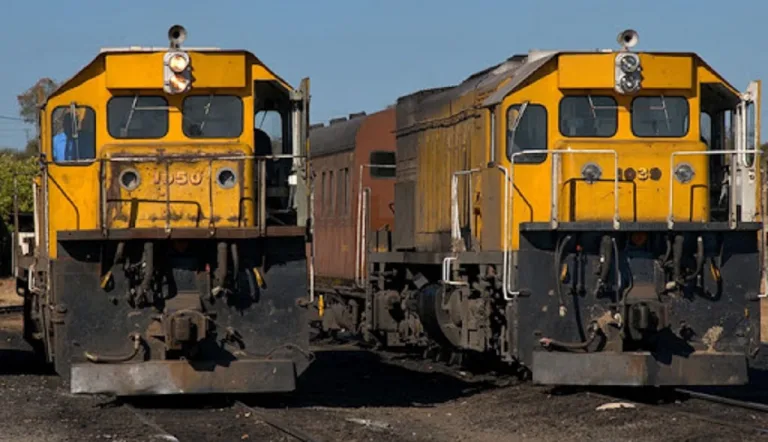
The National Railways of Zimbabwe ( NRZ ) has expressed strong support for the judiciary’s tough approach to vandalism following the sentencing of four individuals to 10 years each in prison for damaging critical railway infrastructure. The parastatal hailed the development as a crucial step in deterring crimes that continue to endanger public safety and sabotage national transport systems.
In Mutare, three men—Tinashe Makonese, Collins Ziyadhuma, and Innocent Mhlanga—were convicted after being caught red-handed with NRZ electrical cables at the Mutare Repair Siding on April 4, 2025. The area, designated as a restricted operational zone, is off-limits to unauthorized personnel. The trio’s arrest followed a tip-off that led NRZ security officials and local police to intercept the suspects in the act of stealing vital infrastructure.
The Mutare Magistrates’ Court handed down mandatory 10-year jail terms to each of the men under laws governing the vandalism of public and essential service utilities.
In a separate but equally alarming incident in Gweru, a man identified as Crispen Wesa was apprehended while digging up underground copper signal cables near the Fairmile Hotel-Gweru Station railway corridor. Wesa’s residential address could not be verified, raising concerns about transient criminals targeting national infrastructure. He was convicted and received a 10-year prison sentence days after another unidentified man, arrested in the same area for a similar offence, was given an identical term.
The NRZ welcomed the convictions, saying the crimes posed grave risks to national safety and development. In a public statement, the state-run railway operator said:
“We commend the judiciary for imposing stiff penalties on individuals who continue to target critical railway infrastructure. Vandalism of this nature goes beyond theft—it constitutes economic sabotage. These actions affect not only the movement of goods and passengers but also undermine national development goals.”
The NRZ has for years been grappling with rampant vandalism, particularly of signal cables, power lines, rail clips, and steel components. These materials are often sold as scrap on the black market or exported illegally. The impact has been devastating—causing major delays in both freight and passenger rail services and costing the state millions in repairs and replacement.
NRZ Applauds Harsh Sentences for Railway Vandals as Crackdown Intensifies
Authorities have raised the alarm over the escalating frequency of such crimes. The Zimbabwe Republic Police and NRZ security services have recorded hundreds of cases in the last two years alone, particularly along high-traffic rail corridors linking Harare, Bulawayo, Gweru, and Mutare.
In response, the NRZ has increased patrols, installed limited surveillance equipment along vulnerable tracks, and is working with community stakeholders to raise public awareness.
Still, the parastatal insists that law enforcement and judicial action remain the most powerful tools in the fight against sabotage.
“The imposition of mandatory jail terms without the option of a fine shows that the courts are taking this seriously. This is essential if we are to stem the tide of infrastructure theft that has crippled our railway system,” the NRZ statement continued.
The NRZ also appealed to communities near railway lines to assist in protecting infrastructure by reporting suspicious activities. In many recent arrests, tip-offs from alert residents have played a key role.
“Public infrastructure belongs to everyone. We urge citizens to be vigilant and work with authorities. Those who destroy these assets are not only stealing—they are putting lives at risk and holding back progress,” the statement read.
In addition to law enforcement, the NRZ has urged Parliament to tighten regulations around the scrap metal trade, which continues to provide a market for stolen railway materials.
“We need tighter licensing and tracking of scrap dealers. Without closing the market for these stolen goods, the problem will persist. Syndicates and middlemen are just as guilty as those caught on the ground,” an NRZ official said.
Zimbabwe’s railway system remains a strategic national asset, crucial for the transportation of agricultural produce, coal, minerals, and industrial goods. Efforts to revive and modernize the network—some in partnership with foreign investors—have been severely hampered by continued acts of vandalism and theft.
However, with the courts now handing down stiffer penalties and collaboration increasing between law enforcement, NRZ, and communities, there is renewed hope that the tide may be turning.
For now, the message from the NRZ and the justice system is clear: sabotage of public infrastructure will not be tolerated—and offenders will face the full force of the law.
Source- Pindula
-

-

-

-

-

-

-

-

-

-

