
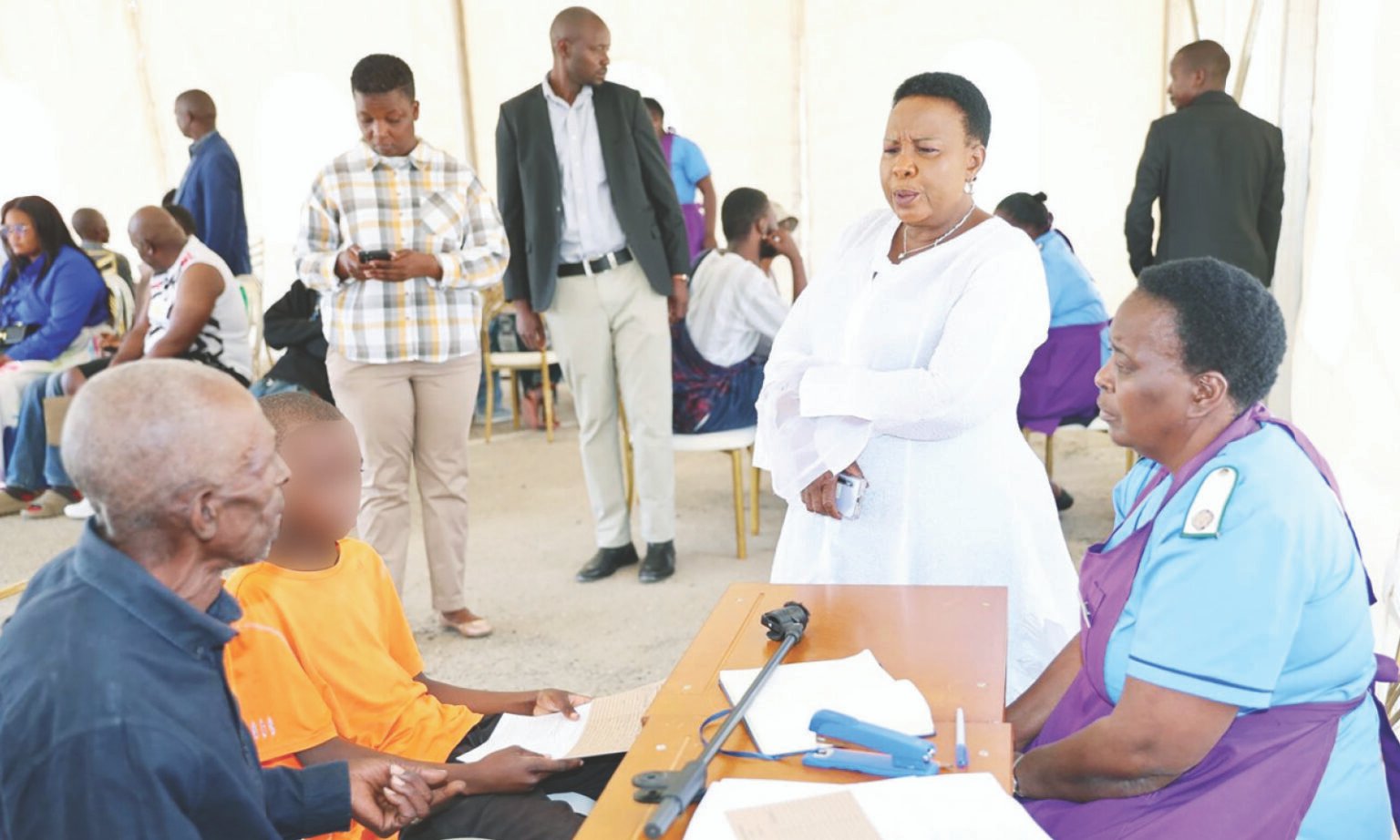
The grounds of the Angel of Hope Drug Rehabilitation Centre in Mbare have once again become a hub of activity, as heart-wrenching testimonies of transformation continue to inspire families desperate for change. Last weekend, parents and guardians streamed into Stodart Hall for the centre’s third and most oversubscribed intake, which enrolled 200 patients. Some families arrived with quiet determination, while others carried children who were restless, violent, or visibly numbed by substance abuse.
The growing demand for rehabilitation reflects more than just statistics—it highlights how one restored life can ignite hope for another. Families travelled from across the country to seek help, enduring the vetting process under difficult circumstances. Some brought children in handcuffs to prevent escape, while others battled outbursts, incoherent ramblings, and violent confrontations.
Among the most heartbreaking cases was a 14-year-old school dropout who arrived with his grandfather, two mothers attacked by their own children during admission, and a frail grandmother leaning on crutches, accompanied by her troubled grandson. Also notable was a university graduate and practicing lawyer who had vanished from his family on his own graduation day, now seeking help at the centre.
First Lady Dr Auxillia Mnangagwa, affectionately known as Mother Zimbabwe, spent hours engaging with families during the assessments. She listened to their stories of despair and offered comfort, assuring them that rehabilitation was possible.
“Drug abuse has left deep scars on our children, but here at this centre, we will work together to confront and overcome the damage it has caused,” she said. “Already, we have seen remarkable success. Many who once came here broken have left fully rehabilitated, and today we celebrate their progress.”
Dr Mnangagwa explained that after the first two weeks of treatment, parents would begin noticing positive changes in their children. By the end of the first month, she said, the transformation would be even more pronounced.
“When you bring your children here, our professional teams conduct thorough assessments to determine whether they require rehabilitation for drug and substance abuse, or specialised mental health care,” she added. “We are committed to doing everything possible to help these young people reintegrate into their families and communities as responsible individuals.”
Families Flock to Angel of Hope’s Third Drug Rehabilitation Intake in Mbare
Inside the hall, emotions ran high. Some parents broke down in tears, whispering prayers or clinging to the hope that their children might finally rediscover purpose. The atmosphere shifted dramatically once the admissions were complete. Parents sang, danced, and ululated, celebrating what they described as a new beginning. One mother, waving joyfully as her son entered the centre, symbolised the relief of ending years of anguish.
The stories shared by families revealed the devastating impact of substance abuse on households across Zimbabwe. A 70-year-old grandfather, raising his grandson alone after the boy’s father abandoned him, spoke of the daily torment he faced.


“He smokes mbanje and, when intoxicated, sells my groceries and household goods. He often disappears at night and comes home at dawn claiming he was recording music,” the elderly man lamented. “He goes for a week without bathing or changing clothes. At my age, I thought I had seen it all, but this has been unbearable.”
He added that his grandson was influencing other children in the neighbourhood to experiment with drugs, spreading the very habit that derailed his own future.
Another mother recalled being assaulted by her son during the vetting process. “He grabbed me by the neck and slapped me while trying to escape,” she said. “At home, he is violent. He sells everything—blankets, food, clothes. I live in constant fear.”

A grandmother on crutches described a life of shame caused by her grandson’s behaviour. “He breaks property and steals from neighbours. Every day, people knock at my door demanding stolen items. My prayer is that he receives full rehabilitation here. What our First Lady has started is a blessing,” she said.
A father from Harare narrated how his household had been plunged into despair by his Form 3 son’s addiction to mutoriro and mbanje. “He bangs on my door at 3 am, and I open because I fear what he might do if I don’t. Life has been unbearable. I had lost all hope in him,” he confessed.
The Angel of Hope Foundation’s rehabilitation programme has quickly become a lifeline for families grappling with the destructive grip of drug abuse. With demand growing rapidly, the centre’s third intake has reaffirmed the urgency of addressing substance abuse as a national crisis—and the importance of collective solutions rooted in compassion, structure, and professional care.
As the newly admitted patients begin their rehabilitation journey, their families cling to the promise of recovery, hoping that what starts in Mbare will ripple across Zimbabwe, one transformed life at a time.
Source- Herald
-

-

-

-

-

-

-

-

-

-

