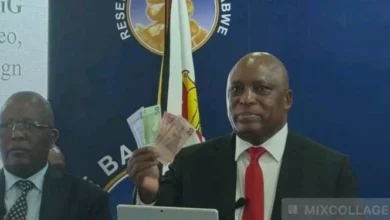
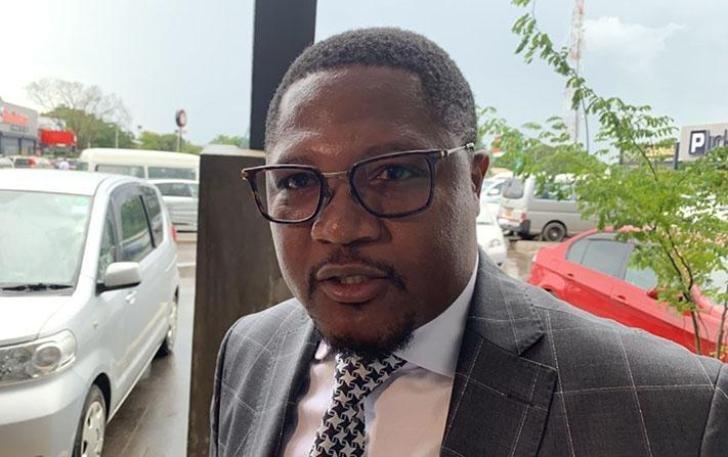
HARARE — Businessman and self‑styled tenderpreneur Wicknell Chivayo has launched a blistering attack on Bikita South legislator Energy Mutodi, warning the outspoken lawmaker to “enjoy his last supper in Parliament” as he pledged to block Mutodi’s return to the National Assembly in the 2028 elections.
The scathing remarks come amid a political storm sparked by Mutodi’s allegations of large‑scale corruption involving Finance Ministry Permanent Secretary George Guvamatanga, which have reverberated through Zimbabwe’s political circles over the past week.
Last week, Mutodi, who chairs Parliament’s Portfolio Committee on Budget and Finance, called for Guvamatanga to be summoned to Parliament to answer claims that he solicited kickbacks worth millions of U.S. dollars from government contractors. Mutodi alleged that Guvamatanga demanded between five and ten percent of contract values as bribes, threatening to block payments to those who refused.
Mutodi’s explosive statements drew intense backlash from within Zanu-PF. Senior members of the party’s Politburo publicly criticised him, accusing him of undermining the integrity of state institutions and airing unverified claims. Under mounting pressure, Mutodi subsequently retracted his statement and issued a formal apology, describing Guvamatanga as a “patriotic public servant.”
Despite the apology, the political fallout was swift: Mutodi was demoted from his role as chairman of the Parliamentary Portfolio Committee on Budget and Finance, a move widely interpreted as a clear warning to dissenters within Zanu-PF.
In a highly charged reaction, Chivayo took to social media platform X to attack Mutodi, mocking him for his stance and openly threatening his political future. Chivayo accused Mutodi of betraying party loyalty and warned that Zanu-PF would deny him a seat in the next election cycle.





“Mutorei ku CCC kana ku Zanu hatichamudi,” Chivayo wrote. “As an honourable member trusted with the position of chairman of a portfolio committee, we don’t expect you to speculate or conjecture in Parliament. Kana seat rake next election, we will make sure anodyiwa kuma primary.”
Chivayo went further, taunting opposition figures such as MP Tendai Biti and David Coltart to recruit Mutodi into their ranks, asserting that Zanu-PF had “no place” for him. His remarks were widely interpreted as both a defence of Guvamatanga and a signal of the party’s intolerance for high‑profile dissent.
Critics have accused Chivayo of defending a corrupt system of politically connected elites. Across social media, Zimbabweans have expressed outrage, suggesting that both Guvamatanga and Chivayo are part of a broader cartel of corruption — a claim echoing sentiments once expressed by Vice President Constantino Chiwenga, who referred to such figures as “Zvigananda” — individuals who enrich themselves through illicit dealings.
Chivayo Vows to End Mutodi’s Political Career in Fiery Response to Corruption Row
Political analyst Tendai Marufu said the clash highlighted deeper factional tensions within Zanu‑PF. “This is not just about Mutodi and Guvamatanga. It reflects an ongoing power struggle within the ruling party between those pushing for accountability and those defending entrenched interests,” he said
Observers suggest that Mutodi’s confrontation with the Zanu-PF establishment has left him politically exposed. His allegations against Guvamatanga — though initially forceful — ultimately led to his demotion, and his standing within the party appears weakened. There is growing speculation that his relationship with top party leadership may now be irreparably damaged, leaving his political future uncertain.
“This episode has shown the limits of speaking out against powerful figures within the party,” noted political commentator Sylvia Dube. “Mutodi has paid a price for his statements, and Chivayo’s public denunciation reinforces the message that dissent carries severe consequences within Zanu‑PF.”
The episode comes at a time when concerns about corruption and governance in Zimbabwe are intensifying. Allegations involving senior officials have consistently sparked public outrage, and the debate over accountability remains a divisive issue in both political and public discourse.
For Chivayo, the incident presented an opportunity to reinforce his standing within Zanu‑PF circles by positioning himself as a staunch defender of party unity and key figures in government. For Mutodi, however, the confrontation has placed him at the centre of a storm that could define his political trajectory for years to come.
“This is a microcosm of the broader tensions shaping Zimbabwean politics,” said Marufu. “It is a clash between accountability and political loyalty, and it will have long‑term implications for both individuals and the party at large.”
As the political battle lines harden, the fallout from this controversy is likely to linger. Chivayo’s public warnings to Mutodi signal a deepening intolerance for dissent within Zanu‑PF, while the debate over corruption allegations continues to fuel public debate about governance and integrity in Zimbabwe’s political leadership.
With the next election cycle looming in 2028, the incident has intensified questions about factionalism, accountability, and the future of key political players within the ruling party. For Mutodi, Chivayo’s words are a stark reminder that challenging powerful interests comes at a significant cost.
Source- Bulawayo24