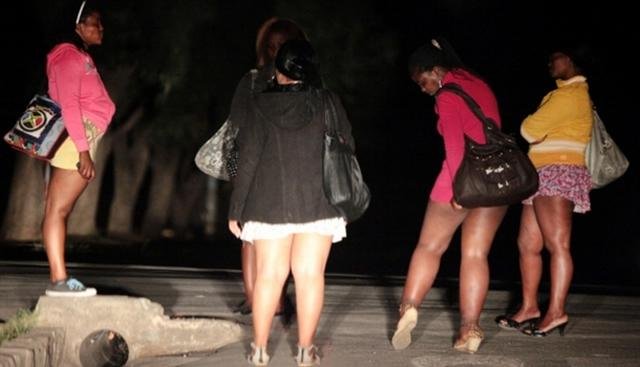
Sex workers in Bulawayo have renewed their demand for legal recognition, respect, and protection, calling for a shift in public perception of their trade. During a recent Health Parliamentary Portfolio Committee consultative meeting, they proposed replacing what they described as “derogatory” terms such as prostitute and sex worker with more dignified titles — including pleasure managers.
The consultative meeting, held as part of Parliament’s ongoing engagement with vulnerable and marginalised groups, provided a rare platform for sex workers to speak openly about their experiences, grievances, and aspirations. The discussion quickly evolved into a bold challenge to Zimbabwe’s legal and moral status quo.
Faith Ncube, a vocal member of Bulawayo’s sex worker community, told the committee that what they do is a form of work that deserves respect and protection. “We want respect,” she said firmly. “Derogatory names such as sex workers or prostitutes should be changed. We prefer to be called pleasure managers because that better reflects what we do. We provide services to various men of different classes, including some well-known members of society — though we cannot disclose their names.”
Sex workers want to be called pleasure managers
Ncube argued that their work contributes to the national economy, pointing out that many in their profession pay fines, buy goods, rent accommodation, and support families using the money they earn from sex work. “We are contributing to the economy like everyone else,” she said. “Our income sustains children, pays school fees, and supports households. We only ask that the government decriminalise sex work and allow us to operate freely, like any other profession.”
She went on to note that their work requires no academic qualifications but rather social intelligence, presentation, and safety awareness. “Our profession doesn’t need certificates, but one has to be smart and know how to market herself,” she explained. “Some of us want to get married and settle down, but life’s pressures make that difficult. The reality is that the quick money we earn keeps us trapped in this line of work.”
Another participant, identifying herself as Barbra, echoed Ncube’s sentiments, stressing that legal recognition would not only legitimise their trade but also enhance their access to healthcare and protection from abuse. “We hear of groups like Young Women 4ED and Mine Workers 4ED,” she said, referencing politically affiliated social movements. “We also want to be recognised and treated as human beings. We need access to clinics without fear, and to be protected from police harassment.”
Sexual Rights Centre consultant Saul Utete backed the women’s demands, arguing that the government’s financial interactions with sex workers already indicate a level of implicit acceptance. “If the state accepts their money through fines, taxes, or school fees, then it cannot turn around and pretend these people don’t exist,” Utete said. “What they are asking for is consistency — a standard way of operating and access to the same benefits enjoyed by workers in other sectors.”
However, not everyone at the meeting agreed with the proposals. Midlands proportional representation Member of Parliament Perseverance Zhou, who was part of the visiting committee, reminded participants that prostitution remains a criminal offence in Zimbabwe. “The law is very clear,” Zhou stated. “Prostitution is illegal in this country, and even our culture does not condone it.”
Zhou acknowledged, however, that the issue is complex and riddled with gender bias. “When a woman is caught engaging in prostitution, she is insulted and humiliated, yet men who buy sex face no stigma. That double standard must be addressed,” she said. “Both sexes participate in this trade, and society needs to confront that reality honestly.”
The legislator also revealed that the sex workers had expressed interest in forming a database and drafting a constitution that would allow them to qualify for formal support, financial inclusion, and social protection programs. “They want to organise themselves, to operate in an orderly and professional manner,” Zhou said. “That shows they are not simply rebelling but trying to find a constructive path within the law.”
The Bulawayo meeting underscored a growing tension between Zimbabwe’s legal framework, traditional moral values, and evolving human rights standards. While conservative voices continue to insist that sex work is immoral and should remain outlawed, human rights advocates and public health experts argue that criminalisation only worsens exploitation and drives the trade underground — increasing the risk of abuse, sexually transmitted infections, and police harassment.
As calls for decriminalisation grow louder, Zimbabwe joins a broader regional conversation. Countries like South Africa and Botswana are already reviewing laws governing sex work, with activists pushing for regulation rather than punishment. Advocates say legal recognition would empower sex workers to access healthcare, report abuse, and contribute taxes openly without fear of arrest.
For Bulawayo’s sex workers, the message is simple: they are tired of stigma and invisibility. Whether called sex workers, commercial sex practitioners, or their preferred title — pleasure managers — they say what they want most is dignity, safety, and the right to earn a living without fear.
As one participant concluded before the meeting ended, “We are not asking for pity. We are asking for respect. We are human beings too.”
Source byo24
-
One Killed in Tragic Bus Accident -
Police Arrest Eighth Suspect in Joseph Mutangadura Murder Case -
General Tongogara Honoured 46 Years After His Death -
Greatman Parts Ways With Manager Rastar After Three Years -
One Killed as Illegal Miners Fight Over Sex Worker -
Fresh Wave of Killings Reported in Guruve -
Chamisa Seeks Talks with Political Stakeholders -
Gospel Musician Everton Mlalazi Appointed to OK Zimbabwe Board -
Oscar Pambuka Receives a Toyota Fortuner from Wicknell Chivayo -
Presley Chweneyagae Property Frozen Over Charity Funds
