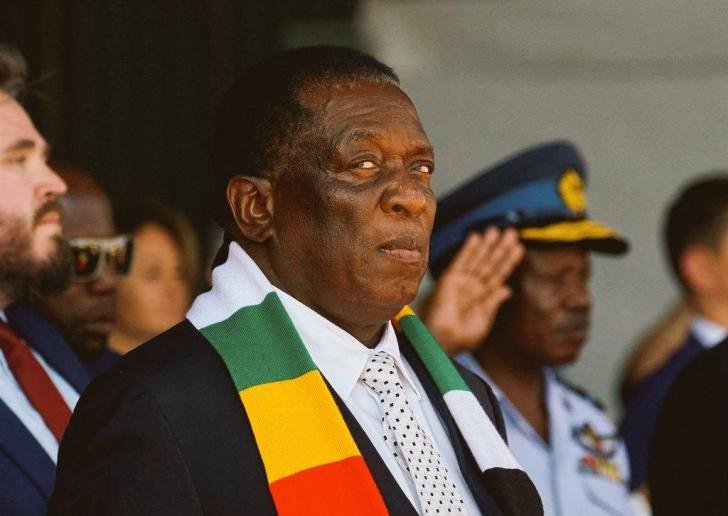
Zimbabwe has been plunged into fresh political uncertainty amid rumours and unconfirmed reports that President Emmerson Mnangagwa left the country at short notice and without a clear public explanation.
The claims, which have circulated across political networks, social media and public commentary, suggest that Mnangagwa may have travelled abroad quietly, reportedly via Russia and possibly onward to Belarus. Some allegations go further, claiming that the trip may relate to medical issues or even the movement of state assets, including gold. These claims remain unverified and should not be treated as established fact.
However, the absence of a full official explanation has itself become a matter of national concern.
Questions Grow Over Mnangagwa’s Whereabouts
Former military figures, civic voices and political commentators have pointed to the wider questions now circulating: where is the President, why was the trip not publicly announced in the normal way, who is currently acting as President, and whether any transfer of authority was carried out transparently and constitutionally.
In any stable constitutional order, the movement of a sitting head of state, especially during a politically sensitive period, is usually communicated clearly. When that does not happen, uncertainty grows quickly.
Unverified Claims Add to Public Concern
The most serious allegations around the reported trip remain unconfirmed. Claims about medical treatment, secret travel routes or the movement of gold and other state assets have not been officially verified.



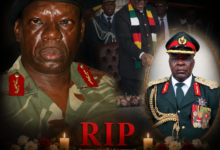

Still, the lack of a prompt and factual government response has allowed speculation to spread. In moments like this, silence can become politically damaging because it leaves citizens to depend on rumours rather than official information.
CAB3 Debate Makes the Timing More Sensitive
The reports have emerged at an especially sensitive moment. Zimbabwe is already in the middle of a heated dispute over Constitutional Amendment Bill No. 3, known as CAB3.
The proposed amendment seeks to extend presidential, parliamentary and local authority terms from five to seven years. It also proposes replacing direct presidential elections with election by Parliament. If passed, the changes would allow Mnangagwa to remain in office until 2030 instead of leaving in 2028.
That timing makes the President’s unexplained absence more than a matter of personal movement or political speculation.
Constitutional Transparency Comes Under Scrutiny
The central issue now facing Zimbabwe is whether a government that cannot clearly explain the whereabouts, purpose of travel or status of its head of state can credibly ask the country to rewrite its constitutional future.
If the President is abroad on official business, why has the trip not been clearly communicated? If he is receiving medical treatment, why has there been no basic statement on his condition and continuity of government? If power has been transferred to an Acting President, who exactly is acting, under what authority, and for how long?
These are not small questions. They go to the heart of constitutional accountability.
Government Silence Creates a Political Vacuum
If allegations about gold or other state assets are false, critics argue that the government should rebut them promptly and factually. In the absence of clear communication, speculation becomes harder to contain.
In any stable constitutional order, such questions should be answered quickly by the Presidency, Cabinet or Parliament. Silence leaves a vacuum. In that vacuum, rumours become politics.
Court Milestone Raises the Stakes
The situation is especially sensitive ahead of the 20 May court milestone in the constitutional amendment dispute.
The proposed changes are already being challenged by critics who argue that the process risks undermining democratic safeguards and entrenching presidential power under the language of reform.
For critics of CAB3, the latest uncertainty reinforces the argument that Zimbabwe should not be rushing through constitutional changes while basic questions over presidential transparency, succession and fitness to govern remain unanswered.
CAB3 Framed as Reform, Critics See Risk
The government has presented CAB3 as a stabilising reform. Yet the events of recent days have made the opposite argument easier for critics to advance.
They argue that the country is facing too much uncertainty, too little public trust and too little official clarity to make irreversible decisions about presidential power.
This does not mean every rumour should be accepted as fact. However, it does mean that official silence carries consequences when constitutional changes are already under public scrutiny.
Calls to Delay Amendment Process May Grow
Until the President’s whereabouts, health status, purpose of travel and constitutional handover arrangements are clearly explained, calls for delaying the amendment process are likely to intensify.
For many Zimbabweans, the issue is no longer only about one reported trip. It is about trust, transparency and whether the state is following the constitutional discipline required during a major national debate.
Zimbabweans Demand Clarity From the State
Zimbabweans are not simply asking where the President is.
They are asking whether the state itself is being run with the transparency, seriousness and constitutional discipline required to justify changing the country’s founding rules.
At a time when the future of presidential power is already under dispute, unanswered questions around Mnangagwa’s reported absence have only deepened the country’s political uncertainty.