
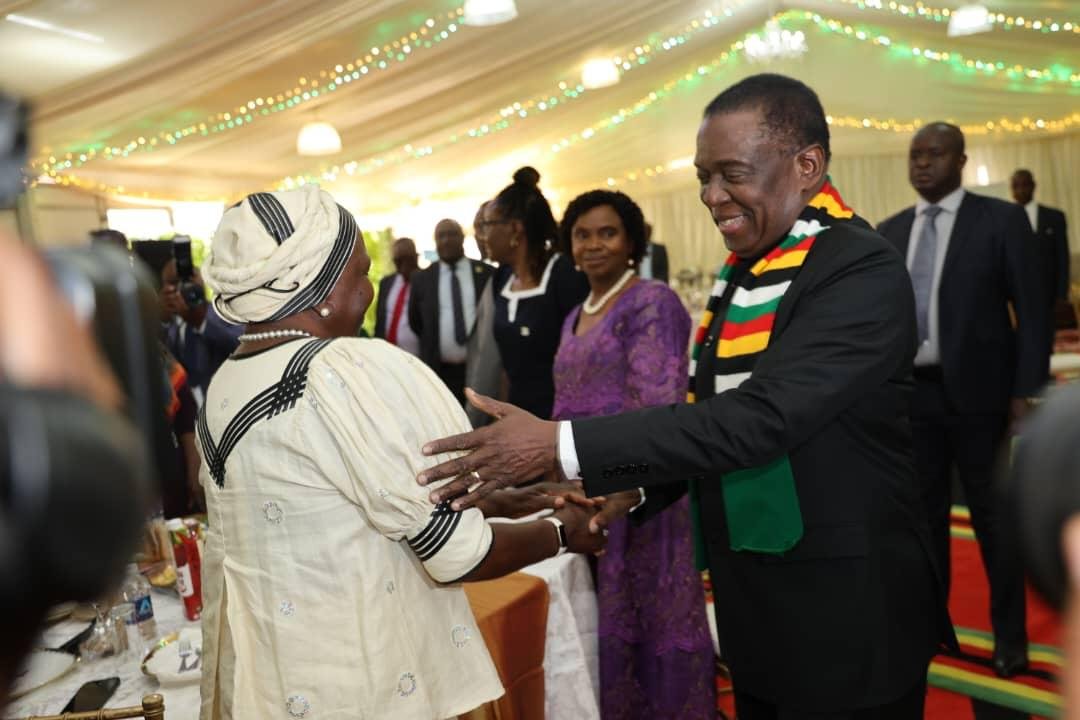
Mnangagwa is currently hosting a special reunion at State House in Harare for his former classmates from the University of Zambia Law School, where he studied in the 1970s. The event, rich with nostalgia and camaraderie, brings together surviving members of the Law Class of 1975 to celebrate decades of friendship, shared history, and professional accomplishments.
President Mnangagwa pursued his legal education at the University of Zambia following his release from prison in Zimbabwe, where he had served time for his political activism during the liberation struggle. The university provided a vital stepping stone for him and many others who went on to become prominent figures in their respective countries.
Now, nearly five decades later, the reunion offers an opportunity for the President and his colleagues to reconnect, reflect on their journey from university lecture halls to positions of influence, and pay tribute to those who have passed on. Of the original 53 students who comprised the class, many are no longer alive, making the occasion all the more poignant.
“This gathering is not only a celebration of our academic journey but also a moment to honor the resilience, sacrifices, and contributions of our peers, many of whom have shaped the legal, political, and social frameworks of our nations,” President Mnangagwa remarked during his address to the group.
Mnangagwa Reunites with University of Zambia Law Classmates at State House
Also attending the reunion are members of Mnangagwa’s Cabinet, senior government officials, ZANU PF Politburo members, and Zimbabwe’s Ambassador to Zambia, Charity Charamba. Their presence underscores the significance of the occasion—not just as a personal moment for the President, but as a recognition of regional educational ties that have helped forge lasting political and diplomatic relationships.
President Mnangagwa, who often speaks of the importance of education in transforming lives and empowering leaders, credited the University of Zambia for playing a key role in his personal and political development. “My time in Zambia gave me the intellectual tools and perspective I needed during a very transformative period in my life. The friendships and lessons I took from there have stayed with me to this day,” he shared.
The University of Zambia has historically been a hub for regional collaboration and intellectual exchange, particularly during the liberation era. Many students from across Southern Africa, including Zimbabwe, Namibia, and South Africa, studied there during the 1960s and 70s when colonial regimes limited opportunities for higher education at home.
Several of President Mnangagwa’s classmates went on to serve in senior roles in government, law, diplomacy, and academia, both in Zambia and beyond. The reunion served as a reminder of how education can forge bonds that transcend borders and political divides, laying a foundation for lasting partnerships between nations.
Speakers at the event paid tribute to the deceased members of the class, observing a moment of silence in their honor. “Though not all of us could make it to this day, their legacy lives on through the work we continue to do,” one former classmate remarked.
In an emotional part of the program, stories were shared about student life in Lusaka during the 1970s — tales of late-night study sessions, spirited debates, limited resources, and the solidarity that formed during uncertain political times. These stories painted a vivid picture of a formative period that shaped not only future legal practitioners, but also revolutionaries, thinkers, and leaders.
Ambassador Charity Charamba, who has worked to strengthen bilateral ties between Zimbabwe and Zambia, praised the event as an important gesture of appreciation for a shared academic heritage and the unbreakable bonds that were formed in the crucible of history.
The reunion also served as a platform for discussions around how the alumni could contribute to furthering legal education and mentorship in the region. President Mnangagwa expressed his hope that the surviving members of the class would use their experience and knowledge to inspire younger generations of lawyers and leaders.
“This gathering is not just about the past,” he concluded. “It’s about shaping the future by remembering where we came from, and using our stories to guide those who come after us.”
As the sun set on the manicured gardens of State House, laughter and heartfelt conversation filled the air—a testament to the enduring power of friendship, education, and shared purpose.
-

-

-
-

-
-

-

-

-

-

