Hwange, Zimbabwe – A 76-year-old man from Hwange has tragically lost his life after being trampled by an elephant, highlighting the escalating human-wildlife conflict in the region. The victim, Davison Mudimba, was laid to rest on Tuesday, leaving his family and the community in deep mourning.
Villagers described Mudimba as a devoted family man and a respected figure whose sudden death has sent shockwaves through the community.
“We have no idea what to do next. We keep losing our loved ones, and authorities must assist us. Khulu was a loving man, and we are in pain,” one mourner said, referring to him affectionately as ‘Khulu.’
Other community members expressed frustration over the increasing frequency of such incidents, noting that wildlife is no longer confined to the national parks.
“We love the animals, but they no longer stay in the parks. They come into our villages, destroy our food, and kill our people. This kind of death is painful to the victim and to us,” another villager lamented.
For Mudimba’s widow, Mrs Violet Khumalo, the tragedy has left a profound void in her life and that of their extended family, which included several orphaned grandchildren under their care.





“He was a loving husband, and we have grandchildren, some of them orphans, that we took care of together. Now that I am alone, it will be difficult. There should be compensation in cases like this because families are left struggling,” she said.
Authorities have confirmed that Mudimba’s death is part of a wider human-wildlife conflict crisis. Since January, over 40 people have died in Zimbabwe as a result of encounters with elephants, crocodiles, and other wildlife.
Tinashe Farawo, spokesperson for the Zimbabwe Parks and Wildlife Management Authority (ZimParks), urged communities to remain vigilant and take precautionary measures.
“We continue to engage communities on animal behaviour and risk mitigation. It is unfortunate that lives continue to be lost, especially with elephants and crocodiles. We encourage communities to minimise movements at night when animals are most active,” he said.
ZimParks has stepped up awareness campaigns to educate local residents on safe practices, including avoiding night-time travel near wildlife corridors, securing crops and livestock, and reporting elephant movements to authorities promptly.
Hwange Man Trampled to Death by Elephant Amid Rising Human-Wildlife Conflict
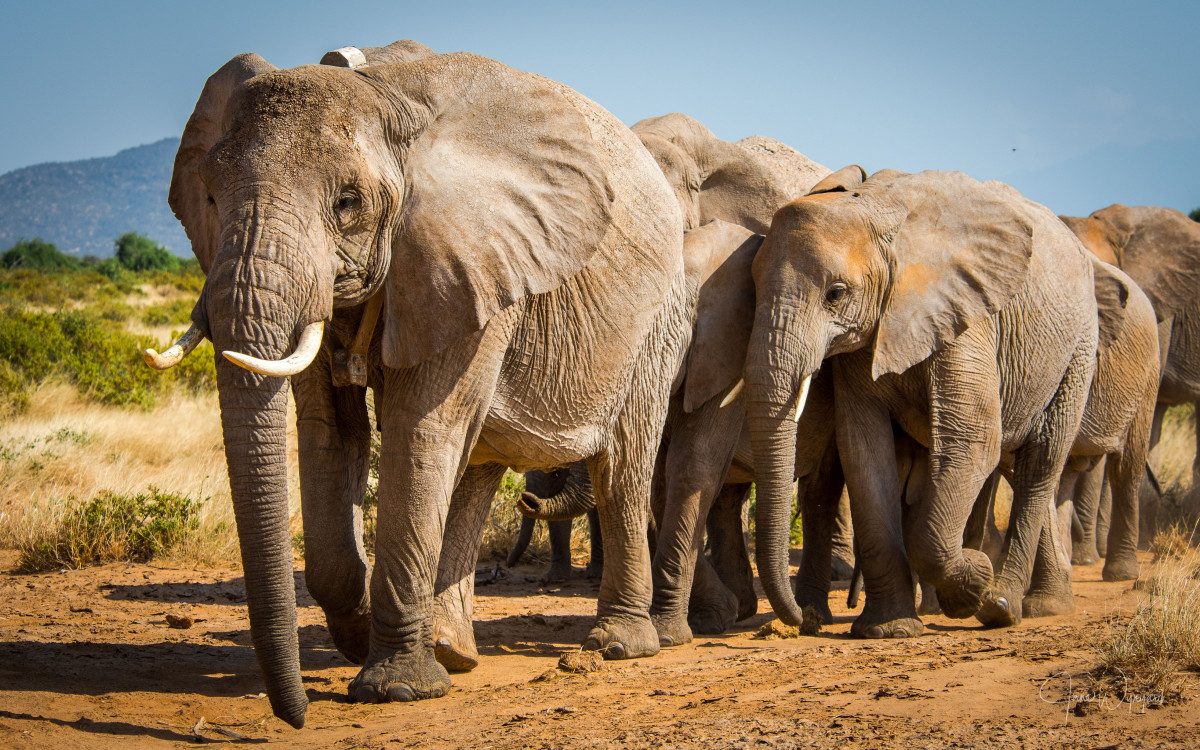
Hwange National Park, Zimbabwe’s largest wildlife reserve, is home to more than 45,000 elephants, a population that experts say exceeds the ecological carrying capacity of the park. Conservationists warn that overpopulation, combined with strict international bans on the ivory trade, has created a complex challenge: while elephant numbers remain high, the inability to manage population growth has increased both conservation pressures and human-wildlife conflicts.
“Elephants are moving into villages because food and water resources in the park are limited,” explained one conservationist. “When elephants come into human settlements, they destroy crops and property, and unfortunately, humans are sometimes killed in the process.”
The overpopulation issue is compounded by climate variability and droughts, which force elephants to seek food and water outside park boundaries. Villagers living along the park’s borders are particularly vulnerable, with farms and homesteads often located in traditional wildlife corridors.
The recent spate of fatalities has intensified calls for government intervention to protect vulnerable communities. Local leaders and residents are advocating for measures including compensation schemes, relocation of problem elephants, and the expansion of human-wildlife conflict mitigation programs.
“Families are being left to struggle after losing loved ones to wildlife,” Mrs Khumalo said. “There should be financial support and practical measures to prevent such deaths.”
While ZimParks and other stakeholders continue to develop long-term solutions, the immediate challenge remains ensuring community safety while balancing conservation priorities. Conservationists emphasise that coexistence strategies must be strengthened, including fencing, early warning systems, and community-based wildlife management initiatives.
The death of Davison Mudimba underscores the delicate balance between conservation and community livelihoods. While elephants are protected as national treasures and play a critical role in the ecosystem, the increasing frequency of deadly encounters calls for urgent attention.
Experts warn that without accelerated interventions, the human toll will continue to rise, and communities bordering Hwange National Park will remain at risk. They stress that sustainable solutions require collaboration between government authorities, conservationists, and local communities, combining education, infrastructure, and emergency response to prevent further tragedies.
For the residents of Hwange, Mudimba’s death is a painful reminder that human-wildlife conflict is no longer a distant threat, but a reality that demands immediate and sustained action.
Source- ZimEye