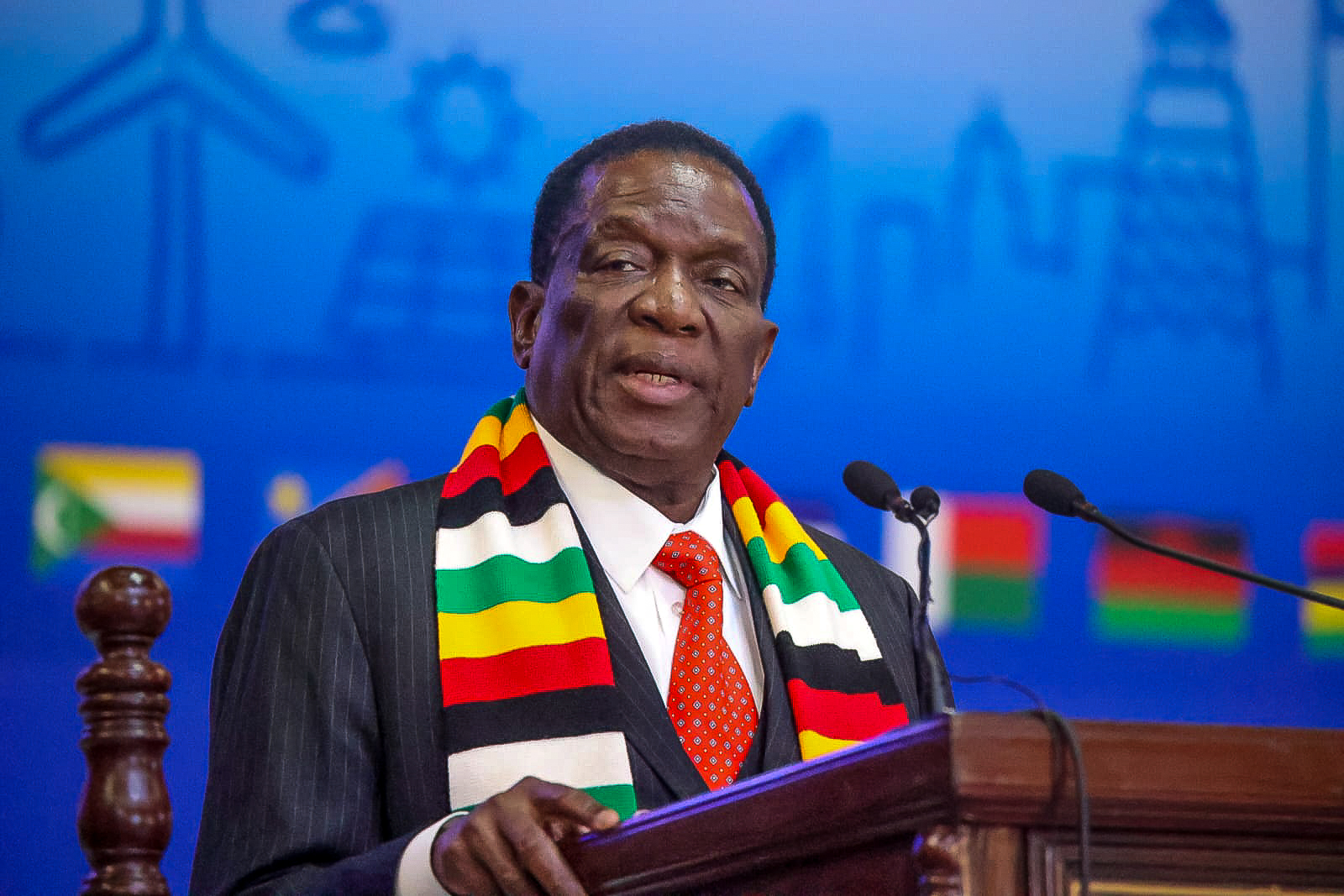
Mnangagwa- Three months after receiving the long-awaited Commission of Inquiry Report into the operations of the Harare City Council, President Emmerson Mnangagwa has yet to release its findings to the public. The continued silence has triggered growing frustration and speculation among citizens, opposition parties, and civil society groups who question the government’s sincerity in confronting deep-rooted corruption and mismanagement at Town House.
The report, compiled by retired Judge Maphios Cheda and submitted to Mnangagwa in June 2025, followed more than a year of extensive investigations into the city’s governance crisis. The Commission of Inquiry was tasked with probing allegations of abuse of office, misappropriation of funds, poor service delivery, and illicit land allocations within the Harare City Council.
When the inquiry was established, government officials promised that its findings would mark a turning point for Zimbabwe’s capital, which has for years been synonymous with deteriorating infrastructure, inconsistent water supplies, and collapsing waste management systems. However, three months later, the report remains under wraps, fueling speculation that its conclusions may be too politically sensitive or implicate individuals close to power.
According to sources familiar with the inquiry, the Cheda-led Commission uncovered widespread evidence of mismanagement and corruption at multiple levels of the local authority. Senior council officials and councillors were accused of prioritising personal enrichment through inflated salaries, hefty allowances, and questionable perks, while neglecting essential public services such as water provision, refuse collection, and road maintenance.
The report is also believed to expose deep irregularities in the allocation of municipal land — a long-standing problem that has plagued the capital for years. Councillors and senior officials allegedly colluded with private developers and land barons to illegally parcel out residential and commercial stands across Harare, often in exchange for bribes or personal favors. This land corruption reportedly extended to environmentally sensitive areas, further compounding urban planning chaos and undermining the city’s sustainability.
Several council-owned companies, including Harare Quarry, City Parking, and Rufaro Marketing, were singled out as hubs of corruption. Instead of serving the public interest, these entities were reportedly turned into private cash cows, where revenue was siphoned off through inflated contracts, ghost employees, and opaque financial practices. The alleged looting from these companies has contributed to the city’s worsening financial position, leaving Harare struggling to pay workers, maintain infrastructure, and deliver basic services.



Mnangagwa sits on Harare corruption report
Observers say the delay in releasing the report undermines public trust and sends a troubling signal about the government’s commitment to fighting corruption. Many recall that Mnangagwa himself has repeatedly promised zero tolerance for graft, calling corruption “the greatest threat to national development.” Yet, critics argue that withholding the report contradicts those promises and protects politically connected figures.
Political analyst Dr. Eldred Masunungure said the secrecy surrounding the report reflects the state’s selective approach to anti-corruption enforcement. “If the findings implicate key allies or senior officials within ZANU PF or government, there will naturally be reluctance to make them public,” he said. “This pattern has been seen before — commissions are formed, investigations are done, but when the results are uncomfortable, they are buried.”
Civil society groups and residents’ associations have echoed the same concerns. The Harare Residents Trust (HRT) has called on the president to release the full report immediately, arguing that citizens have a right to know how their city is being managed. “The continued withholding of the Cheda Report suggests an attempt to shield wrongdoers,” the HRT said in a statement. “Transparency is the first step toward accountability. Without it, the cycle of corruption at Town House will never end.”
The situation in Harare remains dire. Piles of uncollected garbage continue to choke streets, potholes dominate major roads, and residents endure prolonged water shortages despite paying high municipal rates. Many now view the city council as a symbol of systemic failure, where political interference, incompetence, and self-interest have replaced service to the public.
For Mnangagwa, the decision to keep the report secret carries political risks. As the country prepares for the 2028 elections, perceptions of weak governance and tolerance for corruption could further erode public confidence in his administration.
Analysts warn that the credibility of both the president and the central government hinges on how they handle the Cheda Report. If it remains hidden, critics will interpret it as yet another case of empty rhetoric and selective justice. But if released and followed by concrete action — including prosecutions and reforms — it could signal a genuine effort to clean up Harare’s troubled administration.
For now, however, the public remains in the dark, and the Harare City Council continues to operate much as before — with the same old faces, the same dysfunction, and the same unanswered questions about who is really benefiting from the city’s resources. Until the report is released, the fight against corruption at Town House remains more talk than truth.
Source- Bulawayo24