
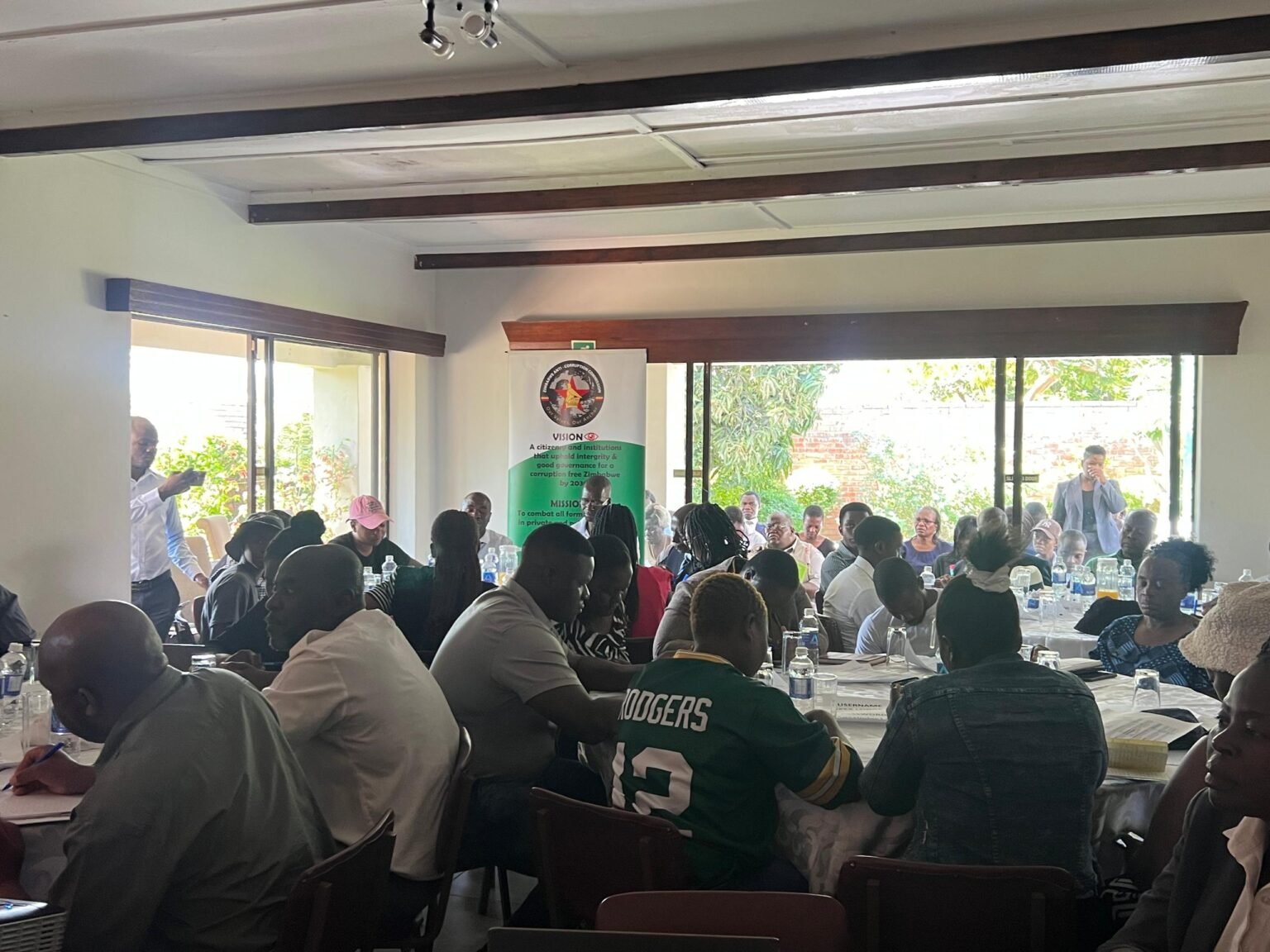
The Zimbabwe Anti-Corruption Commission (ZACC) has convened a consultative meeting in Gwanda, Matabeleland South Province, as part of its nationwide effort to develop the Second National Anti-Corruption Strategy (NACS2). This strategy is set to guide Zimbabwe’s anti-corruption initiatives over the next five years, aiming to strengthen integrity, promote transparency, and enhance accountability across the public and private sectors.
The Gwanda meeting brings together a broad range of stakeholders, including representatives from government departments, parastatals, civil society organisations, faith leaders, and residents’ associations. The inclusion of diverse voices reflects ZACC’s commitment to an inclusive, participatory approach to tackling corruption — a challenge that has remained a key concern in Zimbabwe’s governance and development landscape.
Speaking at the meeting, ZACC Acting Executive Secretary Mrs Clara Nyakotyo explained that the development of NACS2 is being driven by comprehensive consultations across all ten provinces. “NACS2 is being developed through inclusive consultations involving government, civil society, the private sector, academia, and the public,” Mrs Nyakotyo said. She emphasised that the process aims to gather broad perspectives and ensure that the strategy reflects the realities and needs of all Zimbabweans.
The Gwanda meeting is part of a series of provincial consultations already underway. Previous meetings have been successfully held in Bulawayo, Gweru, Mutare, and Harare, bringing together participants to discuss anti-corruption challenges, share experiences, and propose practical solutions for inclusion in the new strategy.
ZACC Holds Consultative Meeting in Gwanda as Part of National Anti-Corruption Strategy Development
Mrs Nyakotyo announced the schedule for the remaining consultations:
Masvingo – 9 October 2025

Chinhoyi – 13 October 2025
Marondera – 15 October 2025
Bindura – 17 October 2025





These meetings are designed to ensure that every province has the opportunity to contribute to the shaping of NACS2, thereby fostering a sense of ownership and commitment among stakeholders.
The Second National Anti-Corruption Strategy aims to build on the achievements of the first strategy while addressing emerging corruption risks and challenges. It is expected to set out clear priorities, actions, and timelines for the next five years, offering a roadmap for reducing corruption, improving governance, and strengthening public confidence in institutions.
By engaging a wide range of stakeholders, ZACC hopes to develop a strategy that is not only practical but also rooted in the experiences and insights of those directly affected by corruption. The involvement of civil society, faith-based organisations, and residents’ associations is particularly significant, as these groups often play a critical role in holding public institutions accountable and promoting ethical behaviour.
Mrs Nyakotyo reiterated ZACC’s commitment to a transparent and consultative process. She stressed that public participation is central to the success of NACS2, stating: “For anti-corruption efforts to be effective, they must be informed by the voices of the people we serve. This is why we are taking the time to consult widely across the country.”
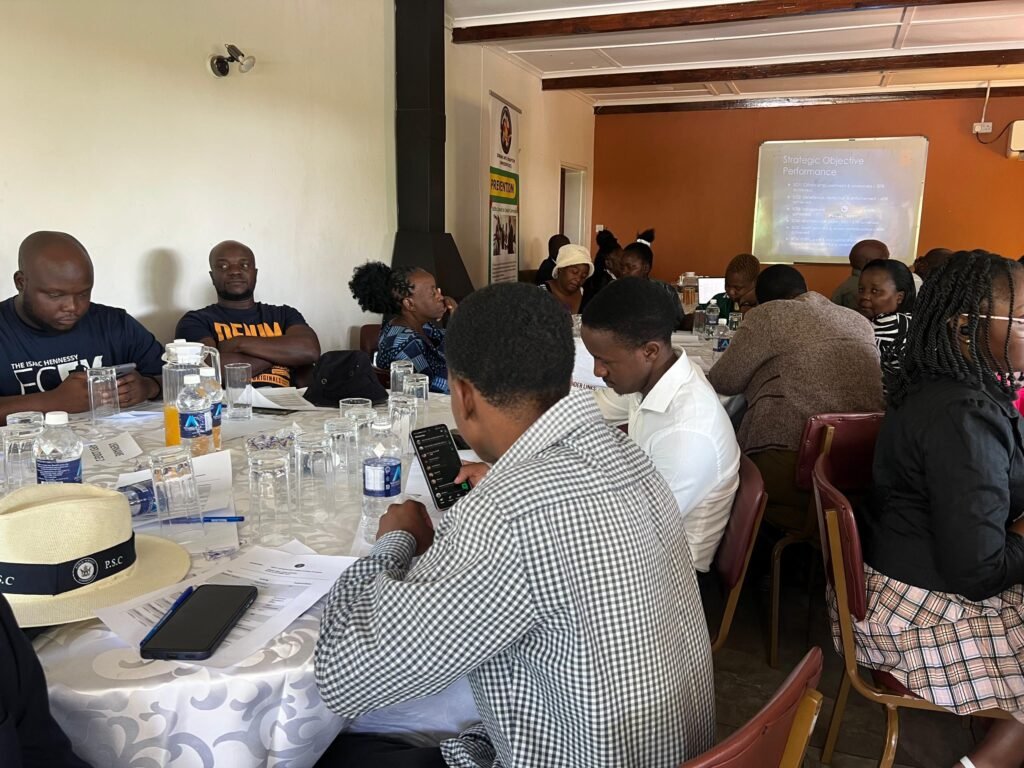
The consultative process also reflects a broader commitment to strengthening Zimbabwe’s anti-corruption framework in line with international best practices. By drawing input from multiple sectors, ZACC aims to create a strategy that not only combats corruption but also promotes integrity, good governance, and sustainable development.
The Gwanda meeting and other provincial consultations are more than just fact-finding exercises — they are platforms for dialogue and collective problem-solving. By bringing together government officials, civil society leaders, business representatives, and ordinary citizens, ZACC is fostering a collaborative approach to tackling corruption.
This inclusive methodology is expected to build national ownership of NACS2, ensuring that the strategy has broad-based support and is effectively implemented across the country. It also reinforces the notion that fighting corruption is a shared responsibility that requires the active participation of all sectors of society.
As Zimbabwe prepares to finalise the Second National Anti-Corruption Strategy, the insights gained from these consultations will be vital in shaping a strategy that is both realistic and impactful. The process in Gwanda, along with the upcoming meetings in Masvingo, Chinhoyi, Marondera, and Bindura, will ensure that NACS2 reflects a truly national perspective.
ZACC’s commitment to consultation sends a strong signal that the fight against corruption is not just the responsibility of an institution but a collective national endeavour. As Mrs Nyakotyo concluded, “Our vision is a Zimbabwe free from corruption, where integrity guides governance and development. This strategy will be a blueprint for achieving that vision.”
Source- Herald