Zimbabwe is witnessing a sharp escalation in abductions, torture, and intimidation targeting critics of President Emmerson Mnangagwa, amid growing resistance to alleged plans to extend his rule beyond 2028. Rights groups, student organisations, and police insiders warn that State-linked repression is intensifying, with activists, opposition figures, and even members of the diaspora increasingly finding themselves at risk.
According to a senior Zimbabwe Republic Police (ZRP) intelligence officer who spoke to NewZimbabwe, individuals perceived to be opposed to Mnangagwa’s continued incumbency are being seized in covert raids, assaulted, and threatened with charges under the controversial Patriotic Act. Passed in 2023, the Act criminalises conduct considered harmful to “the sovereignty and national interest” of Zimbabwe. Critics, however, argue that its sweeping and ambiguous provisions make it a powerful tool for political persecution.
“The strategy is systematic,” the intelligence officer said. “Those seen as questioning Mnangagwa or organising around the succession debate are being targeted. It’s a climate of fear designed to discourage mobilisation.”
One of the latest victims is prominent political activist Godfrey Karembera, better known as Madzibaba Veshanduko. Reports indicate he was abducted by unidentified men before later being located in State custody, bruised and allegedly denied medical treatment. Police confirmed that Karembera faces charges under the Criminal Law (Codification and Reform) Act and hinted that the Patriotic Act may also be applied, further heightening concerns that the law is now central to efforts to silence dissent.
“Karembera’s detention reveals a broader environment in which criticism of the government is met with State-linked violence, opaque legal charges, and the deliberate use of expansive security laws,” the police insider added.
State Crackdown Intensifies on Critics of Mnangagwa
The crackdown has also reached Zimbabwe’s universities, historically hotbeds of political awareness and youth mobilisation. On 10 November, Chinhoyi University of Technology (CUT) students Lindon Zanga (21) and Malvin Madanda (29) were abducted, tortured, and dumped by unknown assailants. Their ordeal is believed to be linked to upcoming student council elections, where students aligned with the opposition have been campaigning in defiance of surveillance and intimidation.


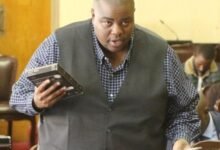

Human rights defender Lemuel Mukandawire said the cases form part of “a long-standing pattern of targeted abductions and intimidation” aimed at neutralising political opposition both within and outside formal election cycles.
“The Patriotic Act’s wording is dangerously vague and enables abuse,” Mukandawire said. “It suppresses legitimate political organising and public criticism. Even with ongoing court challenges, we are witnessing its aggressive enforcement.”
Mukandawire also noted that repression is no longer confined within Zimbabwe’s borders. Increasingly, authorities appear determined to monitor and intimidate activists based in the diaspora — particularly in countries where anti-Mnangagwa demonstrations have been growing.
According to the ZRP insider, the State is maintaining a “long watchlist” of Zimbabweans abroad who are deemed critical of Mnangagwa’s leadership and considered potential organisers of anti-government mobilisation. Individuals allegedly on the list include activists such as Tanyaradzwa Emily Daka, Francis Mubani, Xoliso Sithole, Mollin Muteto, Cretah Mupfudze, Dadirayi Mukwedeya, Ralph Dube, Elizabeth Chitengo, Happiness Ncube, Edgar Mancini, Eness Mapungwana, Nkululeko Ndlovu, Melody Talent Mkwenje, Prince Justin Chihurani, and Josephine Mudimbu.
Authorities are reportedly particularly concerned about developments in the United Kingdom, where anti-Mnangagwa protests have intensified throughout 2024 and 2025. The government is said to be monitoring online platforms as well as leaders of diaspora-based movements. It is believed that meetings in South Africa and the UK — including gatherings led by Shepherd Yuda and Patson Muzuwa, both long-time critics of the ruling establishment — have unsettled Mnangagwa’s administration. These meetings have reportedly focused on human rights violations, deteriorating living conditions in Zimbabwe, and strategies to challenge attempts to prolong Mnangagwa’s rule.
Political observers say the growing repression reflects anxieties within the ruling ZANU PF as the succession debate deepens. Mnangagwa’s allies have been promoting the controversial “2030 VaMnangagwa Vanenge Vari Pamusoro” slogan, widely interpreted as a push for a third term. Although the President has avoided publicly endorsing the idea, State institutions appear increasingly active in neutralising anyone who openly challenges it.
Rights organisations are now urging independent investigations into all alleged abductions and torture cases. They are calling for immediate medical access for victims, the repeal or suspension of laws enabling political persecution, and stronger guarantees for fundamental freedoms, both online and offline.
As reports of transnational repression grow, activists warn the Zimbabwean government may attempt to extend its surveillance and intimidation networks even further — raising fears of a widening crackdown that could affect critics worldwide.
For now, families of victims, students, and rights defenders are demanding accountability. But with the State tightening its grip on security structures and dissent continually criminalised, Zimbabwe’s political climate appears increasingly fraught, both at home and across its borders.
Source- Byo24