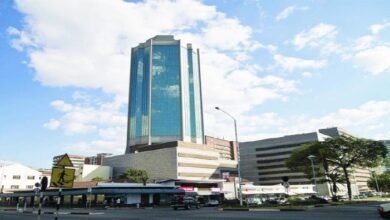
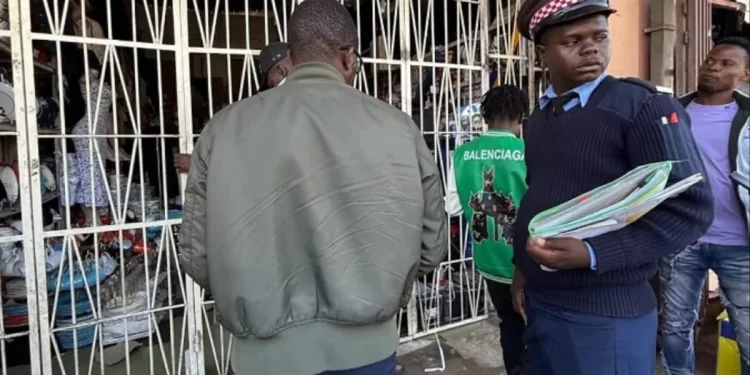
The City of Harare has closed 1,830 businesses in the Central Business District (CBD) as part of its ongoing Operation CBD Order Restoration, authorities confirmed on Thursday. The update follows a comprehensive assessment of business compliance carried out up to 15 September 2025, revealing widespread violations of municipal regulations, ranging from unlicensed operations to fire safety lapses.
City officials described the crackdown as a necessary measure to restore order in the CBD and ensure that businesses operate within legal and safety frameworks. The initiative, which has been ongoing for several months, targets both structural compliance and operational licensing, aiming to transform the heart of the city into a well-regulated commercial hub.
According to the City of Harare, of the 1,830 businesses affected, 1,471 were operating without valid licenses, while 534 buildings were found to be in arrears on municipal payments. Additionally, inspections revealed that 609 properties were functioning without approved building plans, highlighting a significant gap in adherence to urban planning regulations.
The municipality also identified numerous safety concerns. Water supply was disconnected in 81 buildings, while 125 properties were found with expired fire extinguishers. Another 744 buildings lacked subdivision permits, which are required to ensure safe and organised land use. The City noted that these measures are crucial for mitigating fire risks and protecting both tenants and visitors in the bustling CBD.
Despite the widespread violations, officials acknowledged that compliance is not universal. 2,712 buildings had approved building plans, and 3,814 properties maintained up-to-date fire certification, indicating that many operators are adhering to regulations. Nonetheless, the City stressed the need for all building owners to address outstanding issues promptly.
“Building owners are encouraged to regularise their compliance issues, including fire safety, to avoid disruption of services,” the City of Harare stated. Municipal authorities highlighted that non-compliance poses not only legal but also safety risks, particularly in high-density commercial zones where large numbers of people converge daily.





The Operation CBD Order Restoration forms part of a broader city strategy to modernise the capital, improve safety standards, and streamline revenue collection from businesses operating in the city centre. The programme was reviewed during a CBD operation update meeting held on 15 September 2025, which also examined rented accommodation and the regularisation of dysfunctional settlements.
Harare Shuts 1,830 Businesses in CBD Crackdown to Enforce Compliance and Safety
City officials emphasised that the operation is ongoing and not a one-off enforcement exercise. “This is not a one-off blitz. It is an ongoing exercise to bring order in the city,” authorities said. They warned that further inspections and enforcement measures will continue until full compliance is achieved, with penalties and closures applied as necessary.
The campaign has sparked mixed reactions among CBD business owners and tenants. Some have expressed frustration over the tight deadlines for compliance, arguing that bureaucratic delays make it difficult to meet the City’s requirements. Others, however, acknowledge the importance of operating within legal frameworks and maintaining safe business environments.
One shop owner, who requested anonymity, said, “We understand the need for compliance, especially for safety. But the deadlines are short, and it’s been a scramble to ensure everything is in order. It’s disruptive, but we hope this leads to a more organised CBD in the long term.”
The City has also urged building owners to pay particular attention to fire safety regulations, citing expired fire extinguishers and missing fire certification as high-risk factors. With thousands of people visiting the CBD daily, municipal authorities emphasise that preventative measures are critical to avoid accidents and ensure that the central business area remains a safe environment for all.
In addition to fire safety, regularising water and sanitation services is a priority. Disconnections due to non-payment or non-compliance, the City said, are temporary measures intended to motivate building owners to resolve outstanding issues. These interventions, while disruptive, are part of a broader commitment to urban order and sustainable city management.
As Harare continues its enforcement campaign, the City reaffirmed its commitment to ensuring that all businesses and buildings comply with municipal regulations. Authorities have made it clear that enforcement will continue until every non-compliant operator in the CBD addresses outstanding issues.
For residents, employees, and business owners, the ongoing operation serves as a reminder that urban development and safety standards require active participation from both the City and the private sector. While the closures have caused short-term disruption, officials argue that long-term benefits include safer, more organised commercial spaces and improved service delivery.
Ultimately, the success of Operation CBD Order Restoration depends on sustained compliance and cooperation from the business community. By regularising licenses, building plans, and safety measures, Harare aims to position its CBD as a modern, secure, and thriving commercial hub for residents, visitors, and investors alike.
Source- iHarare