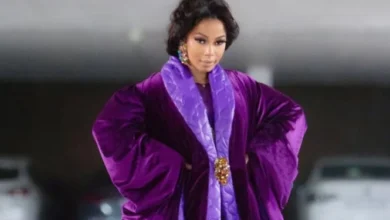

PRETORIA — A heated scene unfolded at Marks Pub and Shisanyama in Pretoria when Matshediso Mholo, former member of the iconic Afro‑pop group Malaika, stormed the stage during a live performance and demanded the microphone from the group’s new female vocalist. The incident, which took place on Sunday, 4 October, is the latest flare‑up in an ongoing dispute between Mholo and her former bandmate Bongani Nchang over the group’s leadership and future.
Once a celebrated trio, Malaika rose to fame with Mholo, Nchang, and the late Jabulani Ndaba, whose passing in 2008 and later departure of Tshedi in 2021 changed the group’s makeup permanently. Since then, Malaika has undergone significant shifts. Nchang, determined to keep the group alive, recruited Tsoakae Molipa as a new member. Mholo, however, has refused to recognise this new formation, insisting that she remains an integral part of Malaika.
The dramatic encounter at Marks Pub has brought those tensions into the spotlight. According to Mholo, she interrupted the performance not out of hostility, but because she believes she still has a rightful place in the group.
“I was seated in the VIP area when Malaika went on stage,” Mholo told reporters. “I decided to join them because, in my view, I am still part of the duo. I only requested the lady to hand me the mic so I could share the moment with her. It was never about animosity, though it has been interpreted otherwise.”
Mholo was unequivocal in her stance, clarifying her claim to Malaika’s legacy. “Malaika is Tshedi, Jabu and Bongani. The songs belong to Malaika. It is a business name, and we are all entitled to royalties — excluding this new lady,” she said. “I am still earning royalties to date. For any performances happening under the banner of the group, I should be entitled to my share, which I have never received.”
The incident, however, was not Mholo’s first public clash with Nchang. According to the latter, tensions have been simmering for years. “Last year in December, she told me she’d come to one of our shows to cause drama,” Nchang told reporters. “When we arrived at the venue, we were alerted that she was there. She came on stage during our last song, insisting we hand her the mic. She then approached the DJ to stop the music and later went to my wife, assaulting her and hurling insults.”
Malaika Duo Clash on Stage Over New Female Vocalist Tsoakae Molipa
For Nchang, the episode was both embarrassing and painful. “I pity her more than anything,” he said. “This is someone who quit the group. She told me directly that I could replace her and that she wanted nothing to do with Malaika. She was not fired or mistreated — we were doing gigs together. Out of the blue, she decided to quit.”





The disagreement is rooted in deeper questions of ownership, identity, and legacy. Mholo insists that Malaika’s brand and its songs belong equally to the original members and that her departure did not nullify her rights. Nchang, meanwhile, asserts that the group’s survival required reformation and that he has the right to continue the group with new members.
This public spat has also exposed the challenges of sustaining legacy music groups, particularly when they are built on shared histories and collective identities. For fans, the drama is deeply personal — Malaika is more than a band, it is a symbol of Zimbabwean music heritage. Many supporters have taken sides online, expressing outrage, sympathy, or disappointment over the unfolding saga.
Social media platforms were abuzz with commentary following the Marks Pub incident. Clips of Mholo demanding the microphone circulated widely, sparking debates about professionalism, ownership rights, and respect for artistic legacy. Some fans argued that Mholo had every right to claim her place, while others criticised her for disrupting the performance and creating public drama.
Amid the dispute, Nchang has continued to promote the group’s music and performances with Molipa, insisting that Malaika must evolve to survive. “We have a legacy to preserve, and we owe it to our fans to keep performing,” he said. “This is not about conflict — it’s about keeping Malaika alive.”
For Mholo, however, the matter is deeply personal. “I am not against Malaika moving forward, but I want clarity and respect for my contribution to the group’s history,” she said. “This is not just about music; it’s about honouring what we built together.”
The saga shows no sign of ending, and both sides seem determined to defend their version of Malaika’s future. Whether through legal channels or public debate, the dispute over the group’s fate is now as much a part of its legacy as the music itself.
As the drama continues to unfold, fans of Malaika are left caught in the middle of a conflict that transcends music — touching on issues of rights, legacy, and the fragile bonds that hold creative partnerships together.
Source- Nehandaradio