
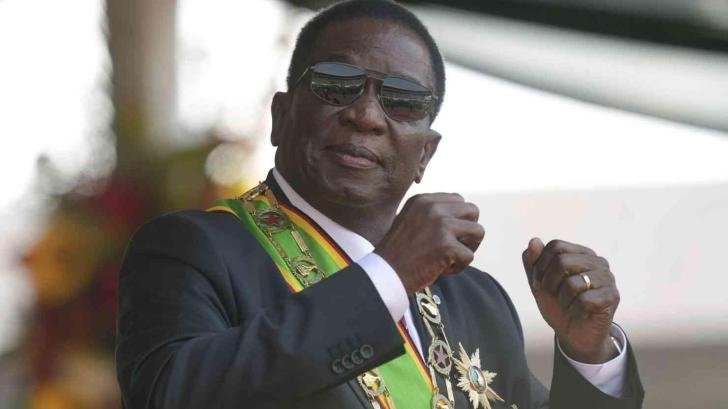
DOHA, QATAR – President Emmerson Mnangagwa has participated in a high-level roundtable discussion on social development during the 2nd World Summit for Social Development in Doha, Qatar. The summit, which brings together leaders, policymakers, and representatives from across the globe, focuses on advancing the three pillars of social development: social integration, social protection, and social inclusion.
In his presentation, President Mnangagwa emphasised Zimbabwe’s ongoing efforts to strengthen legal and institutional frameworks aimed at fostering equality, non-discrimination, and citizen participation. Highlighting the country’s commitment to inclusive development, the President noted that community-driven initiatives are at the heart of Zimbabwe’s approach to social progress.
“On social inclusion, Zimbabwe is strengthening legal and institutional frameworks to promote equality, non-discrimination and participation, ensuring inclusion of all citizens and promoting community-led development,” he said.
The President’s address drew attention to the country’s efforts to create an environment where all citizens, regardless of background or social status, can actively participate in economic and social life. This includes initiatives to enhance access to education, healthcare, and economic opportunities, as well as measures to empower vulnerable and marginalised groups.
The roundtable discussion brought together participants at head of state level, reflecting the high-level commitment of countries to address pressing social challenges. Delegates shared experiences and strategies for advancing social development, including the promotion of equitable policies, legal reforms, and community engagement programs.
President Mnangagwa also held bilateral discussions with Qatar Prime Minister Sheikh Mohammed bin Abdulrahman bin Jassim Al Thani, who concurrently serves as the country’s Foreign Minister. The meeting provided an opportunity to strengthen bilateral relations and discuss avenues for cooperation in social and economic development initiatives.





The summit provided a platform for countries to exchange best practices, address common challenges, and explore strategies for building more inclusive and resilient societies. Delegates representing diverse social groups presented on a variety of topics, including poverty alleviation, youth empowerment, gender equality, and the integration of people with disabilities.
Zimbabwe’s engagement at the summit signals a commitment to international collaboration on social development issues. By participating in discussions at this level, the country aims to align its domestic policies with global standards and benefit from lessons learned in other nations’ experiences.
Observers at the summit noted that Zimbabwe’s emphasis on community-led development and citizen participation reflects a pragmatic approach to social challenges. By empowering communities to take ownership of development initiatives, the country seeks to ensure that social programs are effective, sustainable, and responsive to the needs of ordinary citizens.
President Mnangagwa Highlights Zimbabwe’s Commitment to Social Development at World Summit in Qatar
President Mnangagwa’s participation also underscores Zimbabwe’s dedication to the Sustainable Development Goals (SDGs), particularly those related to reducing inequality, promoting social justice, and ensuring inclusive and equitable access to resources. His address called on both national and international stakeholders to work collaboratively to strengthen social protection systems and enhance social cohesion.
The 2nd World Summit for Social Development continues to draw attention to the critical role of social policies in fostering stability, equity, and prosperity. Leaders and delegates are expected to produce actionable recommendations that can inform policy formulation both domestically and internationally.
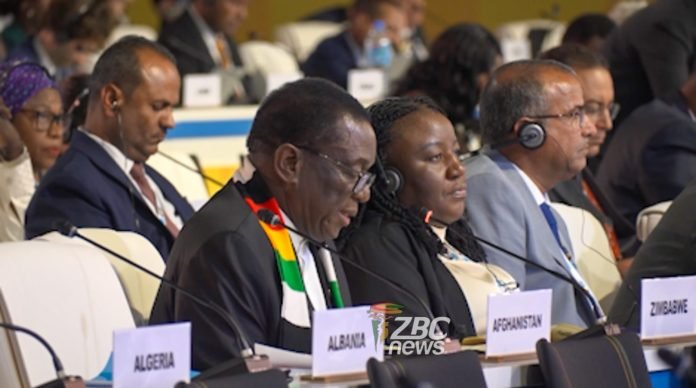
By actively engaging in these discussions, Zimbabwe is not only showcasing its policy initiatives but also contributing to regional and global dialogue on effective social development strategies. The country’s participation reinforces the importance of inclusive governance, legal reform, and community engagement as foundations for lasting social progress.
The summit in Doha also offers opportunities for Zimbabwe to explore partnerships, technical support, and resource mobilisation with other nations committed to advancing social development. Through such collaboration, the country aims to accelerate the implementation of programs that enhance social welfare, reduce disparities, and improve the quality of life for all Zimbabweans.
As the summit progresses, President Mnangagwa is expected to continue engaging with other world leaders, sharing Zimbabwe’s experiences, and learning from international best practices that can be adapted to the local context.
Source- ZBC