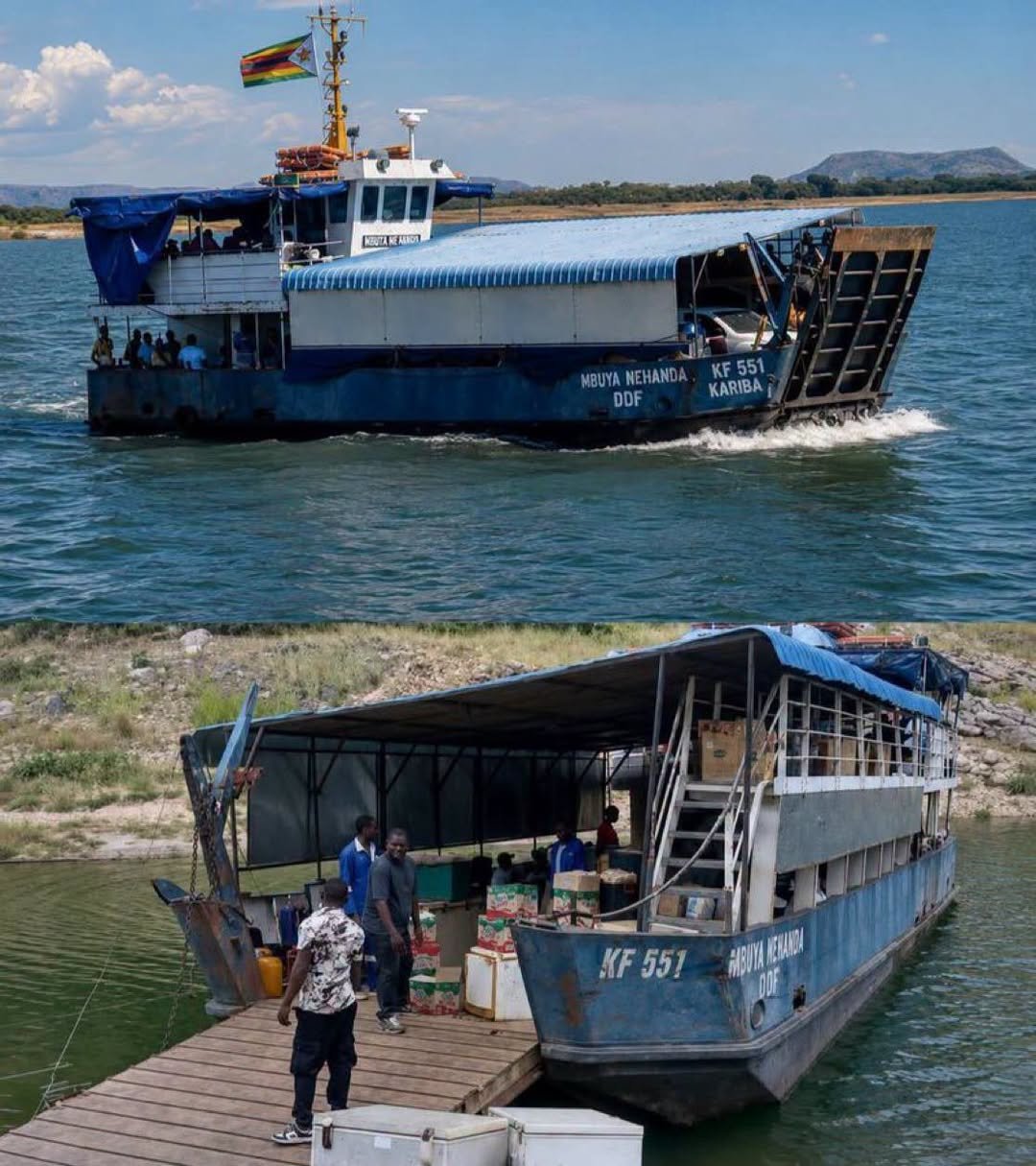
The death toll from the Lake Kariba ferry disaster has reportedly risen to 39 after rescue teams recovered 24 more bodies from beneath the capsized vessel.
The Herald reported that teams found the victims trapped under the RIDA-owned Mbuya Nehanda ferry. Divers retrieved the bodies on Wednesday morning, 12 August 2026, as the operation shifted from rescue to an increasingly grim recovery mission.
Authorities had earlier confirmed that 15 bodies were recovered following the accident. Therefore, the discovery of 24 additional victims raises the reported death toll to 39.
However, the final number could still change because officials have not established exactly how many people boarded the vessel.
Bodies discovered beneath capsized ferry
The latest recovery marks a devastating turn in the operation on Lake Kariba.
Specialist divers searched around and beneath the overturned ferry after earlier reports indicated that some passengers could have remained trapped inside or underneath the vessel.



Emergency teams have worked at the scene since Tuesday afternoon. The operation includes the Zimbabwe Republic Police Sub-Aqua Unit, the Zimbabwe National Army Boat Squadron, local authorities and other rescue organisations.
Local boat operators and conservation teams also joined the response during the critical first hours. In addition, a helicopter helped teams search the surrounding water.
The ferry capsized near Long Island while travelling from Kariba towards Chalala Fishing Camp. Reports suggest that strong waves struck the vessel during the journey. Nevertheless, investigators have not yet announced the final cause.
Passenger numbers remain unclear
Conflicting passenger figures have complicated efforts to determine how many people remain missing.
An initial ZRP statement said the vessel carried 90 passengers and five crew members. However, the Civil Protection Unit later said ticket records showed 114 adult passengers and five crew members.
Officials also believe an unknown number of children travelled without tickets. As a result, the passenger list may not reflect everyone who boarded the ferry.
A crew member reportedly told the Zimbabwe Broadcasting Corporation that 153 people were aboard. Police have not independently confirmed that figure.
Before the latest recovery, authorities reported that 77 people had survived while 15 had died. They listed 27 passengers as missing based on the confirmed ticket information.
The recovery of another 24 bodies could reduce the number missing among registered passengers to three. However, authorities cannot provide a reliable final number until they identify the victims and account for the unregistered children.
Consequently, families continue waiting for official confirmation about their relatives.
Zimbabwe declares State of Disaster
President Emmerson Mnangagwa has declared the Lake Kariba accident a State of Disaster under the Civil Protection Act.
Local Government and Public Works Minister Daniel Garwe said the declaration would allow the Government to mobilise extraordinary resources for the emergency response.
The measure should also help authorities coordinate medical assistance, body recovery, victim identification and support for affected families.
Government activated the national search-and-rescue response soon after the ferry overturned. Nevertheless, the recovery of 24 more bodies shows the enormous scale of the tragedy facing rescue teams.
The operation remains active while officials work to establish whether additional victims are still in the lake.
Questions grow over overcrowding and safety
The Mbuya Nehanda ferry had a confirmed passenger capacity of 90 people, excluding five crew members.
Even the lower figure taken from ticket records indicates that the vessel carried more people than its approved capacity. Furthermore, the presence of children who did not appear on the passenger list could push the total significantly higher.
The accident has therefore sparked urgent questions about overcrowding, passenger manifests and safety enforcement on Lake Kariba.
Investigators are expected to examine the ferry’s condition and maintenance history. They will also need to determine whether every passenger had access to a life jacket.
Meanwhile, officials must establish why the vessel left Kariba despite reports of dangerous conditions on the lake.
Witnesses spoke about powerful waves before the ferry capsized. One survivor reportedly said the vessel started taking in water roughly 30 minutes after departure.
However, authorities have not confirmed whether bad weather alone caused the disaster. Overloading, mechanical condition and operational decisions could also form part of the investigation.
Families face an agonising wait
The tragedy has left families gathering near the harbour as they wait for survivor lists and the names of those recovered.
Officials must identify each victim before formally notifying relatives. That process could take time because passenger records remain incomplete.
The discovery of 24 bodies beneath the ferry has severely reduced hopes of finding more survivors. Still, teams continue searching the vessel and surrounding waters to account for everyone.
Authorities have urged the public to avoid spreading unverified casualty lists. They also promised to release further updates once police complete victim identification and verify the passenger numbers.
The Lake Kariba ferry disaster is now one of Zimbabwe’s deadliest recent inland water transport accidents. Beyond the immediate grief, it will place intense pressure on the authorities to explain how an overcrowded vessel entered dangerous waters and what steps will prevent another tragedy.